

Document Locator Overview
Document Locator, an Enterprise document management software, automates document-centric processes and ensures a paperless office. Key features include version control, full-text search, electronic forms, approval workflows, and security.
Use Cases
Customers recommend Workflow Management, Sales Document Management, Collaboration, as the business use cases that they have been most satisfied with while using Document Locator.
Business Priorities
Scale Best Practices and Improve Consistency are the most popular business priorities that customers and associates have achieved using Document Locator.
Document Locator Use-Cases and Business Priorities: Customer Satisfaction Data
Document Locator works with different mediums / channels such as Offline.
Document Locator's features include Recording, Alerts: Popups & Notifications, Templates, etc. and Document Locator support capabilities include 24/7 Support, Email Support, Chat Support, etc. also Document Locator analytics capabilities include Analytics, and Custom Reports.
Reviews
"...Document check in and check out prevents information loss and allows multiple users of various access levels to work collaboratively...." Peer review
Peer review evidence (same sources as the product rating summary)
"...Document Locator's integrated document workflow allows you to quickly define, create, and manage automated business processes where operational tasks and work procedures are repeatable...." Business Process Management Software
"...Automate regular document actions with the integrated task manager, record approvals with eSignature capture, organize document delivery and send a variety of notification reminders for meeting deadlines...." Peer review
"...Collaborate electronically on budgets and financial records...." Accounting Document Management
Document Locator, Intelligencebank DAM, DialogsCMS, Google Drive, WeTransfer, etc., all belong to a category of solutions that help Content Management Systems. Each of them excels in different abilities. Therefore, determining the best platform for your business will depend on your specific needs and requirements.
Popular Business Setting
for Document Locator
Top Industries
- Computer Software
- Media Production
- Hospital & Health Care
Popular in
- Small Business
- Mid Market
- Enterprise
Document Locator is popular in Computer Software, Media Production, and Hospital & Health Care and is widely used by Small Business, Mid Market, and Enterprise.
Document Locator Customer wins, Customer success stories, Case studies
What benefits does Document Locator offer for Workflow Management?
How efficiently Does Document Locator manage your Sales Document Management?
What makes Document Locator ideal for Collaboration?
How can Document Locator enhance your Sending & Publishing Communications process?
What solutions does Document Locator provide for Content Management?
West-Central Independent Living Solutions (WILS) - Non Profit Organization Management - Small
WebTools for Document Locator version 2021.
Frequently Asked Questions (FAQ)
What buyers ask before choosing Document Locator
Integrations What CRM integrations are available with Document Locator?
Document Locator offers several CRM integrations that enhance document management capabilities within existing systems. Notably, it integrates seamlessly with Salesforce, allowing users to search and access documents stored in Document Locator directly from the Salesforce interface. This integration enables users to retrieve relevant documents, such as contracts and customer communications, without leaving Salesforce, thereby improving productivity and efficiency. Additionally, Document Locator's flexible integration options, including its SDK-API and PowerSearch technology, allow for connections with various other CRM systems, ensuring that users can easily search and manage documents across different platforms. This centralized approach to document management not only streamlines workflows but also enhances organizational consistency.
Integrations How does Document Locator connect to Salesforce for data synchronization?
Document Locator connects to Salesforce for data synchronization through the Salesforce Data Connector, which is an optional add-on that facilitates seamless data transfer between the two platforms. This connector ensures that data from Salesforce is synchronized with Document Locator, maintaining accurate file metadata, naming, and organization without the need for manual updates. It is important to note that while the Data Connector requires Salesforce API licensing and a Salesforce user license, it does not necessitate a separate Document Locator API license. The integration enhances efficiency by keeping files organized and up-to-date, thereby minimizing discrepancies and ensuring that teams have access to consistent records for all document-related needs.
Integrations What are the setup steps for integrating Document Locator with HubSpot?
To integrate Document Locator with HubSpot, start by ensuring you have the necessary permissions and access to both platforms. First, log into your HubSpot account and navigate to the integrations section. Look for the option to add a new integration and select Document Locator from the list of available integrations. Follow the prompts to authenticate your Document Locator account, which may involve entering API keys or other credentials. Once authenticated, configure the integration settings to define how data will flow between Document Locator and HubSpot, such as syncing contacts or documents. Finally, test the integration to ensure that data is being transferred correctly and that both systems are communicating effectively. For detailed guidance, refer to the integration documentation provided by both platforms.
Integrations Can Document Locator synchronize data with Marketo, and if so, how does it work?
Document Locator does not specifically mention integration with Marketo in the provided context. However, it offers flexible integration options, including ODBC dynamic properties and PowerSearch technology, which allow for seamless connections with various software applications, such as CRMs and ERPs. While the exact mechanism for synchronizing data with Marketo isn't detailed, users can leverage Document Locator's capabilities to connect with other systems and potentially create custom integrations that facilitate data synchronization. This means that while direct integration with Marketo may not be explicitly supported, users can explore options to connect Document Locator with their marketing automation tools through available integration methods, ensuring that document management aligns with their marketing efforts.
Integrations What limitations exist when integrating Document Locator with external data providers?
When integrating Document Locator with external data providers, several limitations may arise. Primarily, the integration capabilities depend on the specific APIs and data formats supported by the external systems. For instance, while Document Locator offers flexible integration options such as SDK-API and ODBC dynamic properties, not all external data providers may support these methods, potentially leading to compatibility issues. Additionally, the complexity of data mapping and transformation can pose challenges, especially if the external data structures differ significantly from Document Locator's requirements. Furthermore, performance may be impacted if the external data sources are slow or unreliable, affecting the overall user experience. It's essential to evaluate the specific integration needs and limitations of both Document Locator and the external data providers to ensure a seamless connection.
Integrations How does the API access work for configuring Document Locator integrations?
API access for configuring Document Locator integrations is facilitated through the optional SDK-API, which allows businesses to seamlessly integrate document management functionalities with other applications. This API exposes various Document Locator actions such as Import, Check-Out, Check-In, and Search, enabling developers to create custom workflows and automate processes. Additionally, the SDK-API supports the development of unique routines for validation during document handling and can directly launch Document Locator user interfaces. By leveraging these capabilities, organizations can enhance their existing software solutions, streamline document workflows, and improve overall efficiency in managing documents across different platforms. This integration flexibility is crucial for businesses looking to unify their information management systems effectively.
Features What does the version control feature in Document Locator do?
The version control feature in Document Locator automates the management of document versions, ensuring that every change made to a file is systematically tracked and recorded. This functionality eliminates the need for manual versioning practices, such as appending dates or user names to file names, which can lead to confusion and errors. Each time a document is checked out, edited, and checked back in, Document Locator captures a complete history of changes, automatically sequencing each version for easy retrieval. This not only enhances organization and efficiency but also provides a clear audit trail, allowing users to view and promote prior versions as needed. By streamlining document management, the version control feature helps businesses maintain accuracy and compliance while reducing the risk of lost or outdated files.
Features How do I set up automated workflows in Document Locator?
To set up automated workflows in Document Locator, start by accessing the integrated workflow software included with the system. Begin by defining the specific business processes you want to automate, identifying key steps and decision points. Use the customizable step functions to create a workflow that reflects your operational needs, allowing for conditional branches based on values. Assign team-based roles to ensure that any team member can complete workflow steps, while implementing role-based security to protect sensitive information. Additionally, configure time-out events to notify or reassign tasks based on your schedule. Once your workflow is designed, test it to ensure it operates smoothly, and make adjustments as necessary to optimize efficiency and repeatability in your document-centric processes.
Features What are the benefits of using profiles and metadata in Document Locator?
Using profiles and metadata in Document Locator offers significant benefits for file organization and management. Profiles allow businesses to create customizable groupings of metadata values, which serve as descriptive information about files, enhancing their classification and retrieval. This structured approach simplifies the search process, enabling users to quickly locate documents through intuitive search capabilities, including full-text indexing and custom searches. Additionally, metadata facilitates better document control by providing essential context, such as version history and file properties, which is crucial for compliance and auditing purposes. Overall, leveraging profiles and metadata in Document Locator streamlines document processing, improves efficiency, and supports tailored workflows, ultimately leading to enhanced productivity and better management of business information.
Features How can I perform advanced searches to find documents in Document Locator?
To perform advanced searches in Document Locator, start by accessing the search console within the application. You can utilize various search criteria, including full-text content, metadata values, filenames, and descriptions. To initiate an advanced search, select the specific repositories you want to search across and input your desired parameters. Document Locator allows you to create custom searches tailored to your needs, enabling you to combine multiple criteria for more precise results. Additionally, you can save and share your advanced searches for future use, streamlining your document retrieval process. This capability not only enhances efficiency but also ensures that you can quickly locate essential documents, improving overall productivity in your organization.
Features What functionality does the reporting feature provide in Document Locator?
The reporting feature in Document Locator provides extensive functionality that enhances visibility and supports continuous improvement within an organization. It is built on Microsoft SQL Server Reporting Services, allowing users to access a variety of standard reports that come pre-installed, as well as the capability to create custom reports using Microsoft Report Builder or Microsoft Visual Studio. This integrated reports module enables managers to quickly generate business intelligence (BI) insights, facilitating informed decision-making. Users can monitor system configuration, usage, throughput, and trends, which helps in identifying areas for optimization and ensuring compliance. Overall, the reporting feature empowers businesses to leverage data effectively, driving operational efficiency and strategic planning.
Features How do I configure role-based security for workflows in Document Locator?
To configure role-based security for workflows in Document Locator, start by accessing the administration settings within the software. Navigate to the security settings section, where you can define user roles and permissions. Assign specific roles to team members based on their responsibilities, ensuring that each role has the appropriate access levels for workflow tasks. You can set permissions to restrict or allow access to certain documents and workflow steps, thereby preventing unauthorized access. Additionally, utilize the role-based security features to create conditional workflow branches that align with your business processes. Once configured, test the settings to ensure that users can only access the workflows and documents relevant to their roles, enhancing both security and efficiency in your document management processes.
ROI & pricing What are the key benefits of using Document Locator for document management?
Document Locator offers several key benefits for document management that enhance efficiency and reduce risk for businesses. Its seamless integration with Windows and a user-friendly interface allows for quick adoption, requiring minimal training—typically around 15 minutes. The software features advanced search capabilities, version control, and automated workflows, which streamline document retrieval and approval processes. Additionally, Document Locator supports compliance and audit readiness by maintaining a comprehensive record of document changes and access. By categorizing documents with profiles and metadata, it enhances organization and retrieval. Overall, Document Locator not only improves document control but also provides a competitive advantage by integrating document management capabilities into existing business applications, making it a valuable asset for any organization.
ROI & pricing How can Document Locator help businesses achieve measurable cost savings?
Document Locator can help businesses achieve measurable cost savings by streamlining document management processes and reducing reliance on paper records. For instance, Genesis Financial Solutions eliminated $800 per month in off-site storage costs and significantly improved document retrieval times from 10 minutes to mere seconds, enhancing overall efficiency. Similarly, El Dorado Irrigation District saved $9,000 annually by digitizing extensive paper records, which also reduced manual labor and microfilming expenses. By centralizing document storage and enabling easy access, Document Locator minimizes the costs associated with physical storage, labor-intensive retrieval, and compliance-related penalties, ultimately leading to substantial financial benefits for organizations across various industries.
ROI & pricing What is the expected ROI when implementing Document Locator in an organization?
The expected ROI when implementing Document Locator in an organization can be significant, as it streamlines document management processes, enhances compliance, and improves overall operational efficiency. By centralizing document storage and automating workflows, businesses can reduce time spent on document retrieval and management, leading to increased productivity. Additionally, Document Locator helps minimize the risks associated with lost or misplaced files, which can result in costly delays and compliance issues. Organizations often report faster audit readiness and improved customer service due to quicker access to information. The investment in Document Locator can lead to cost savings in physical storage, reduced labor costs, and enhanced employee satisfaction, ultimately contributing to a strong return on investment over time.
ROI & pricing What pricing plans are available for Document Locator, and what do they include?
Document Locator offers flexible pricing plans designed to accommodate various business needs and structures. While specific pricing details are not publicly disclosed, the plans typically include options for both cloud-based and on-premise deployments, allowing businesses to choose the model that best fits their operational requirements. Each plan generally encompasses essential features such as document search capabilities, version control, automated workflows, and robust security measures. Additionally, Document Locator provides customizable licensing options to align with your pricing strategy, ensuring that you can offer competitive solutions to your clients. For precise pricing information and to explore the features included in each plan, it is recommended to contact Document Locator directly for a tailored consultation.
ROI & pricing How does Document Locator impact revenue generation for businesses?
Document Locator significantly impacts revenue generation for businesses by enhancing operational efficiency and reducing costs associated with document management. By streamlining workflows and enabling quick access to documents, businesses can save valuable time, allowing employees to focus on revenue-generating activities rather than tedious paperwork. For instance, companies like Genesis Financial Solutions have reported drastic reductions in document retrieval times and eliminated off-site storage costs, leading to substantial monthly savings. Additionally, Document Locator's capabilities in improving compliance and audit readiness can help businesses avoid costly penalties and enhance customer satisfaction through faster service delivery. By integrating Document Locator into their operations, businesses not only optimize their document management processes but also create a more agile environment that supports growth and profitability.
ROI & pricing What is the typical time-to-value for implementing Document Locator in a company?
The typical time-to-value for implementing Document Locator in a company can vary based on the organization's size and specific needs, but many users report significant improvements within a few weeks of deployment. Document Locator is designed for quick installation and user-friendly operation, allowing businesses to transition from paper-based systems to digital document management efficiently. For instance, companies like Genesis Financial Solutions experienced a rapid setup that enabled them to move to a paperless office, drastically reducing file retrieval times from 10 minutes to mere seconds. Additionally, the flexible licensing options and integration capabilities with platforms such as Slack and BigQuery further streamline the process, ensuring that organizations can start realizing the benefits of enhanced document accessibility and workflow efficiency almost immediately.
Capabilities What document management features does Document Locator offer?
Document Locator offers a comprehensive suite of document management features designed to enhance efficiency and streamline operations. Key functionalities include advanced search capabilities that allow users to quickly locate documents through standard, advanced, and custom searches, as well as saved searches for easy access. The software also provides robust version control, enabling users to find the latest document versions, view prior versions, and maintain a complete record of changes. Additionally, Document Locator supports automated workflows tailored to specific business processes, ensuring efficient routing and approval of documents. Users can categorize documents using profiles and metadata, making organization and retrieval straightforward. With remote access options and integration into existing software, Document Locator enhances document management while leveraging current technology investments.
Capabilities Can Document Locator support remote access for document management?
Yes, Document Locator fully supports remote access for document management through its WebTools and WebTools Mobile features. This allows users, including employees, vendors, and clients, to securely access and retrieve documents from any location using a web browser on computers, tablets, or smartphones. The system can be hosted in the cloud, which reduces management costs and overhead, or it can be accessed via an on-premise setup, enabling users to connect to files stored locally. By providing self-service access, Document Locator enhances efficiency, allowing authorized users to obtain necessary information without needing assistance from office staff, thus streamlining workflows and improving collaboration.
Capabilities Does Document Locator provide version control for documents?
Yes, Document Locator provides robust version control for documents, automating the process of tracking changes and managing document versions. Each time a document is checked out, edited, and checked back in, Document Locator captures a complete history of changes, eliminating the need for manual versioning or ad-hoc naming conventions. This functionality ensures that users can easily find the latest version of a document while also having access to prior versions if needed. By standardizing document versioning, Document Locator enhances organizational efficiency and reduces the risk of using outdated or incorrect documents, making it an essential tool for businesses that rely on accurate document management.
Capabilities Can Document Locator ensure document security and access control?
Yes, Document Locator can ensure document security and access control through its robust and flexible security settings. The platform allows organizations to manage authentication credentials and grant privileges on a user or group basis, ensuring that only authorized personnel can access sensitive files. This capability is crucial for maintaining compliance and protecting confidential information. Additionally, Document Locator's auditing features provide oversight on who accessed what documents and when, further enhancing security. By centralizing document management, Document Locator not only streamlines access but also reinforces security protocols, making it an effective solution for businesses looking to safeguard their information while ensuring that employees have the necessary access to perform their roles efficiently.
Capabilities Is Document Locator scalable to meet the needs of large enterprises?
Yes, Document Locator is designed to be fully scalable, making it suitable for large enterprises with evolving information management needs. The software allows organizations to flexibly manage and add users, repositories, and hardware without interrupting availability. This scalability ensures that as your business grows, Document Locator can expand to accommodate increased data volume and user demands. Additionally, its best-in-class design minimizes resource consumption on both server and client sides, ensuring efficient performance even as the system scales. This capability not only supports current operational requirements but also positions enterprises for future growth, making Document Locator a robust choice for businesses looking to streamline document management processes.
Capabilities Does Document Locator support auditing capabilities for document access?
Yes, Document Locator supports robust auditing capabilities for document access through its comprehensive audit logging feature. This functionality records a detailed audit trail that captures all changes and actions related to files within the system. Administrators can configure document logging to track specific actions against files and folders, ensuring that every event, such as user access and document modifications, is logged accurately. The integrity of the audit information is maintained, as log entries are not user-editable. Additionally, users can export and report on document log details, making it easier to monitor access and ensure compliance with organizational policies. This auditing capability enhances transparency and accountability, which are crucial for effective document management and regulatory compliance.
Use cases How can SDRs use Document Locator to streamline their document management processes?
Sales Development Representatives (SDRs) can leverage Document Locator to streamline their document management processes by utilizing its robust features designed for efficiency and organization. With Document Locator, SDRs can quickly find and access essential documents through instant and advanced search options, including the ability to save and share custom searches. The software also supports automated workflows, enabling SDRs to route documents for review and approval seamlessly, which accelerates the sales process. Additionally, Document Locator's version control ensures that SDRs always work with the most current documents, reducing the risk of errors. By centralizing all files in a secure and easily accessible system, SDRs can enhance collaboration, improve compliance, and ultimately drive productivity in their sales efforts.
Use cases What are the best practices for marketers to implement Document Locator in their campaign workflows?
To effectively implement Document Locator in marketing campaign workflows, marketers should start by defining clear objectives for document management, such as improving collaboration and ensuring compliance. Establish a structured folder hierarchy within Document Locator to organize campaign materials, making them easily accessible for team members. Utilize the software's versioning feature to track changes and maintain a history of document revisions, which is crucial for compliance and audit readiness. Incorporate metadata to categorize documents, enhancing searchability and retrieval efficiency. Additionally, leverage Document Locator's workflow automation to streamline approval processes, ensuring timely execution of campaigns. Regular training sessions can help team members maximize the software's capabilities, fostering a culture of efficient document management within the marketing team.
Use cases In what scenarios should RevOps teams consider using Document Locator for document control?
RevOps teams should consider using Document Locator for document control in scenarios where centralized file management is crucial for operational efficiency and compliance. For instance, if a company faces challenges in managing thousands of documents across multiple locations, Document Locator can streamline access and enforce consistent naming conventions, ensuring that all files are securely stored and easily retrievable. Additionally, in industries with strict regulatory requirements, such as manufacturing or food safety, Document Locator helps prevent unapproved documents from bypassing necessary workflows, thereby mitigating compliance risks. The platform's features, including full-text searchability, version control, and audit trails, further enhance the ability to manage documents effectively, making it an ideal solution for RevOps teams aiming to optimize their document management processes and improve overall productivity.
Use cases How can sales leaders leverage Document Locator to improve collaboration on project files?
Sales leaders can leverage Document Locator to enhance collaboration on project files by utilizing its centralized system for organized file management and secure access. With features like automated project folder creation, document reviews, and approvals, sales teams can streamline their workflows and ensure that all relevant documents, emails, and communications are easily accessible in one unified location. The platform's web access allows team members to retrieve files anytime and anywhere, facilitating remote collaboration. Additionally, the robust search capabilities enable quick retrieval of documents, while the email integration ensures that all project-related communications are stored and searchable. By implementing Document Locator, sales leaders can improve project coordination, reduce the risk of miscommunication, and ultimately drive better results in their projects.
Use cases What specific challenges can Document Locator help construction teams overcome in document management?
Document Locator addresses several key challenges faced by construction teams in document management. One major issue is the difficulty in organizing and accessing project files, which can lead to inefficiencies and miscommunication among team members. Document Locator provides a centralized, secure system that allows for the creation of searchable project folders, making it easier to store and retrieve documents. Additionally, the integration with email platforms like Microsoft Outlook streamlines the process of saving and searching project-related emails and faxes. This solution enhances collaboration by enabling remote access for team members, ensuring that everyone can work together effectively, regardless of location. Ultimately, Document Locator improves project coordination, reduces overhead, and supports compliance, making it an invaluable tool for construction teams managing large projects.
Use cases How does Document Locator enhance compliance and efficiency for government agencies managing records?
Document Locator enhances compliance and efficiency for government agencies managing records by providing a robust electronic document management system tailored to meet critical records requirements. It allows agencies to define and implement records policies in accordance with regulatory standards, ensuring that all documents are securely stored and easily accessible. By centralizing files, Document Locator reduces the frustration associated with document filing and retrieval, enabling faster access to information and improving audit readiness. The system's built-in security features protect sensitive data, while its compliance tools help manage documents according to unique regulatory demands, minimizing financial liability and risk. Overall, Document Locator streamlines workflows, enhances operational efficiency, and supports government agencies in achieving their document control objectives effectively.
Alternatives What are the key differences between Document Locator and Laserfiche?
Document Locator and Laserfiche are both robust document management systems, but they cater to different business needs and functionalities. Document Locator focuses on providing intuitive search capabilities, including advanced and custom searches, along with features like automated workflows and version control, making it ideal for organizations that prioritize quick document retrieval and streamlined processes. In contrast, Laserfiche offers a broader suite of enterprise content management tools, including advanced analytics and business process automation, which may be more suitable for larger organizations with complex document workflows. While Document Locator excels in ease of use and accessibility, Laserfiche provides extensive customization and integration options, making it a strong choice for businesses requiring comprehensive content management solutions. Ultimately, the choice between the two will depend on specific organizational needs and the complexity of document management required.
Alternatives How does Document Locator compare to SharePoint in document management capabilities?
Document Locator and SharePoint serve different but complementary roles in document management. Document Locator excels in providing robust document control features, such as version control, workflow management, and audit logs, which are essential for maintaining strict oversight of important files. It allows for seamless publishing of approved documents to SharePoint, enhancing accessibility while retaining control over document integrity. In contrast, SharePoint offers a familiar collaborative environment and integrates well with other Microsoft tools, making it ideal for team collaboration and document sharing. However, SharePoint lacks some advanced document management features found in Document Locator, such as automated metadata transfer and detailed reporting capabilities. Therefore, businesses often benefit from using Document Locator alongside SharePoint to leverage the strengths of both platforms for comprehensive document management.
Alternatives What are the advantages of using OnBase over Document Locator?
OnBase and Document Locator both offer robust document management solutions, but they cater to different business needs. OnBase excels in its extensive integration capabilities with various enterprise applications, such as ERP and CRM systems, allowing for seamless workflows across platforms. It also provides advanced analytics and reporting features, which can help organizations gain deeper insights into their document processes. In contrast, Document Locator focuses on ease of use and quick document retrieval, with features like instant searches and automated workflows tailored to specific business operations. While OnBase may be more suitable for larger enterprises requiring comprehensive integration and analytics, Document Locator is ideal for businesses seeking a straightforward, efficient document management system that enhances accessibility and reduces retrieval times. Ultimately, the choice depends on your organization's specific requirements and existing technology infrastructure.
Alternatives Which is better for document management: FileHold or Document Locator?
When comparing FileHold and Document Locator for document management, both platforms offer robust features tailored to different business needs. FileHold is known for its user-friendly interface and strong compliance capabilities, making it ideal for organizations that prioritize regulatory adherence. It also provides extensive customization options and mobile access, which can enhance user experience. On the other hand, Document Locator excels in integration with Windows environments and offers a powerful API, making it particularly suitable for businesses already embedded in Microsoft ecosystems. Document Locator also emphasizes workflow automation and full-text search capabilities, which can significantly improve efficiency. Ultimately, the choice between FileHold and Document Locator will depend on your specific requirements, such as compliance needs, existing infrastructure, and desired features.
Alternatives What unique features does M-Files offer compared to Document Locator?
M-Files and Document Locator both offer robust document management solutions, but they have unique features that set them apart. M-Files is known for its metadata-driven approach, allowing users to categorize and retrieve documents based on their content rather than just folder structure, which enhances searchability and organization. Additionally, M-Files provides advanced automation capabilities, including AI-driven workflows that adapt to user behavior, making it highly customizable for various business processes. In contrast, Document Locator emphasizes integration with existing applications, offering seamless access to recent files and document management features directly within familiar software environments. While Document Locator focuses on version control and automated workflows tailored to specific operations, M-Files excels in leveraging metadata for enhanced document retrieval and management efficiency.
Alternatives What are the best alternatives to Document Locator for enterprise document management?
When considering alternatives to Document Locator for enterprise document management, several notable options stand out. Laserfiche is a robust choice, offering extensive workflow automation and document capture capabilities, making it suitable for organizations looking to streamline processes. OnBase by Hyland is another strong contender, known for its comprehensive content management features and integration capabilities with various enterprise systems. M-Files provides a unique metadata-driven approach, enhancing document retrieval and organization, while DocuWare focuses on cloud-based solutions that cater to remote teams. Additionally, FileHold offers a user-friendly interface and strong compliance features, making it ideal for regulated industries. Each of these alternatives presents distinct advantages, so the best choice will depend on your organization's specific needs and workflows.
Document Locator Competitors


Document Locator Features
- Low
- Medium
- High
| FEATURE | RATINGS AND REVIEWS |
|---|---|
| AI Powered | Read Reviews (1) |
| Analytics | Read Reviews (22) |
| Custom Reports | Read Reviews (165) |
| CAPABILITIES | RATINGS AND REVIEWS |
|---|---|
| AI Powered | Read Reviews (1) |
| Analytics | Read Reviews (22) |
| Custom Reports | Read Reviews (165) |
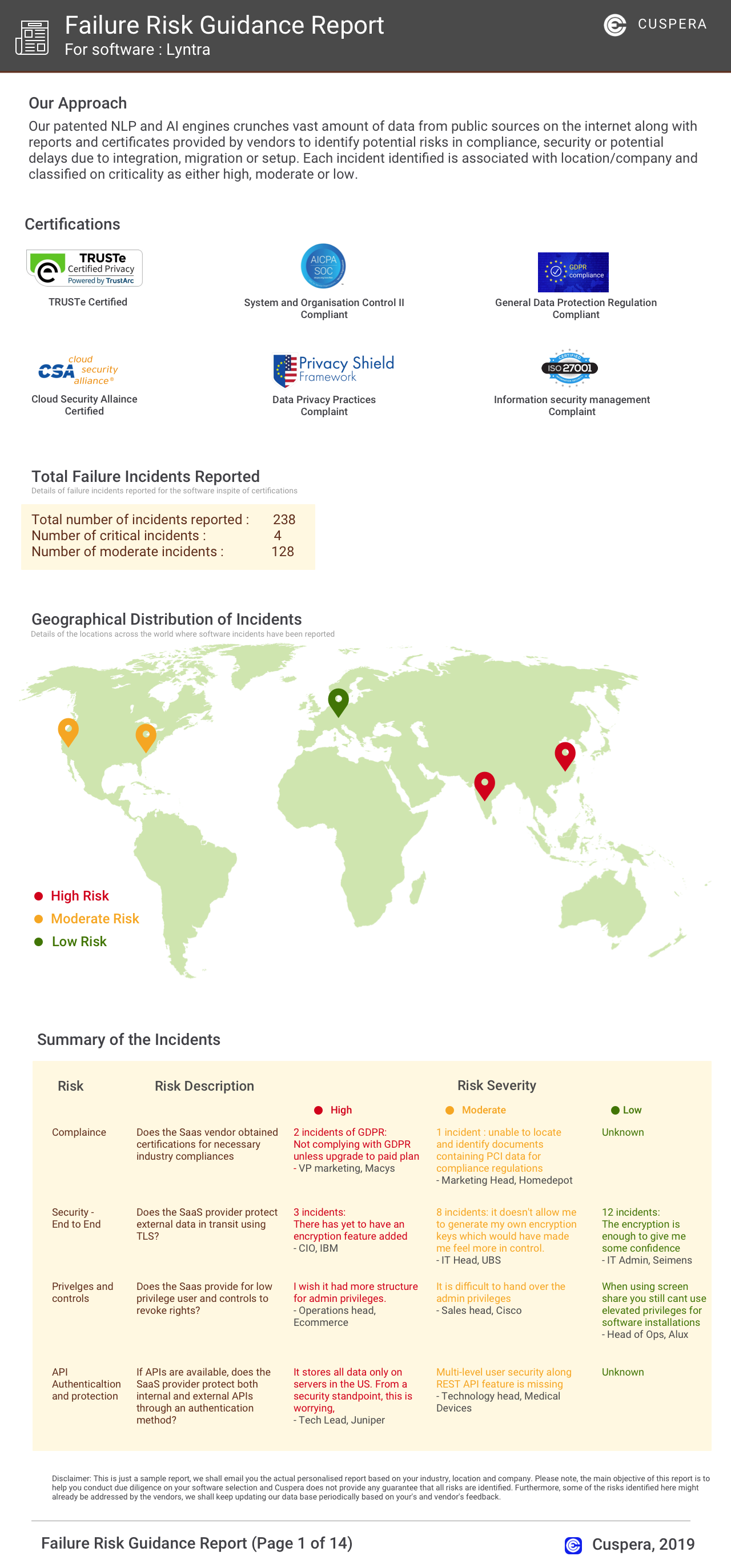
Software Failure Risk Guidance
?for Document Locator
Overall Risk Meter
Top Failure Risks for Document Locator
ColumbiaSoft Profile
Company Name
ColumbiaSoft
Company Website
https://www.documentlocator.com/HQ Location
15495 SW Sequoia Parkway, Suite 190, Portland, Oregon 97224, US
Employees
11-50
Social


Financials
PRIVATE