

MessageGears Overview
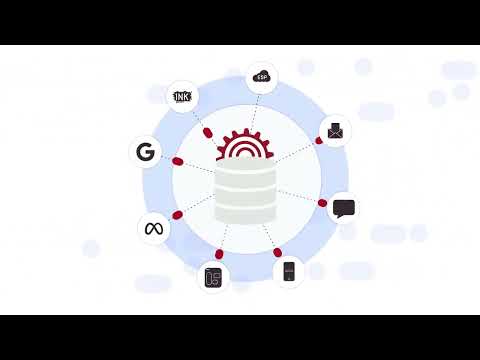
MessageGears addresses the challenge of fragmented customer data and engagement by offering a warehouse-native platform that unifies data, activates audiences, and engages customers seamlessly. This solution allows businesses to bypass traditional data syncs, enabling instant data activation and large-scale customer engagement. The platform's integration capabilities ensure that customer data and engagement strategies are aligned, reducing the need for multiple tools and simplifying the tech stack. This leads to improved ROI by maximizing the use of existing data infrastructure and providing scalable, flexible solutions for customer engagement.
Use Cases
Customers recommend Communication Management, Campaign Management, Engagement Management, as the business use cases that they have been most satisfied with while using MessageGears.
Business Priorities
Acquire Customers and Scale Best Practices are the most popular business priorities that customers and associates have achieved using MessageGears.
MessageGears Use-Cases and Business Priorities: Customer Satisfaction Data
MessageGears works with different mediums / channels such as E-Mail.
MessageGears's features include Personalization, Templates, Gamification, etc. and MessageGears support capabilities include Email Support, 24/7 Support, Chat Support, etc. also MessageGears analytics capabilities include Analytics, and Custom Reports.
Reviews
"...Email sends, deliverability...." Peer review by Internal Consultant
Peer review evidence (same sources as the product rating summary)
"...Sending mass emails...." Peer review by Administrator
"...Read More Ready to see how MessageGears' customer marketing platform can transform your marketing programs? ..." MessageGears
"...Charles Kollo, digital marketing manager at MessageGears, has the tips and tricks to help your team drive engagement with the right accounts and push forward to success. ..." 20 Heroes of the 200 #FlipMyFunnel Podcast Episodes
MessageGears, Yespo Оmnichannel CDP, Makesbridge, Upland adestra, Selligent, etc., all belong to a category of solutions that help Email Marketing. Each of them excels in different abilities. Therefore, determining the best platform for your business will depend on your specific needs and requirements.
MessageGears attaches directly to customer data sources, enabling real-time, personalized marketing campaigns without data sync delays. It enhances marketing agility and operational efficiency by automating dynamic, personalized campaigns.
Popular Business Setting
for MessageGears
Top Industries
- Computer Software
- Internet
- Information Technology and Services
Popular in
- Mid Market
- Small Business
- Large Enterprise
MessageGears is popular in Computer Software, Internet, and Information Technology And Services and is widely used by Mid Market, Small Business, and Large Enterprise.
MessageGears Customer wins, Customer success stories, Case studies
Why is MessageGears the best choice for Communication Management?
What Are the key features of MessageGears for Campaign Management?
How can MessageGears enhance your Engagement Management process?
What makes MessageGears ideal for Channel Marketing?
Why is MessageGears the best choice for Content Management?
MessageGears: Tech Should Liberate: Not Limit
Frequently Asked Questions (FAQ)
What buyers ask before choosing MessageGears
Integrations What CRM integrations are available with MessageGears?
MessageGears offers a range of CRM integrations to enhance its email marketing capabilities and streamline customer engagement. Notable integrations include Salesforce, SugarCRM, and custom CRM platforms, which can be connected through an open API framework. This flexibility allows businesses to leverage their existing customer data effectively, enabling personalized marketing campaigns and real-time data utilization. Additionally, MessageGears can integrate with other platforms such as Microsoft Dynamics 365 and Zoho, providing a comprehensive solution for managing customer relationships and marketing efforts. By utilizing these integrations, companies can ensure that their marketing strategies are data-driven and aligned with their sales processes, ultimately improving customer engagement and ROI.
Integrations How does MessageGears connect to Salesforce and HubSpot?
MessageGears connects to Salesforce and HubSpot through robust integration capabilities that facilitate seamless data flow and enhance marketing efforts. For Salesforce, MessageGears allows users to leverage their customer data directly, enabling real-time access and personalized marketing campaigns without the delays associated with traditional data syncing methods. This integration helps eliminate manual processes and enhances campaign efficiency. Similarly, when integrated with HubSpot, MessageGears enables businesses to utilize their existing customer data for targeted email marketing, ensuring that communications are relevant and timely. By connecting these platforms, organizations can optimize their marketing strategies, improve customer engagement, and drive better ROI from their marketing investments.
Integrations What are the setup steps for integrating MessageGears with Marketo?
To integrate MessageGears with Marketo, start by ensuring you have administrative access to both platforms. First, log into your MessageGears account and navigate to the integration settings. Here, you will find an option to connect to Marketo; select it and follow the prompts to authenticate your Marketo account using your API credentials. Once authenticated, configure the data synchronization settings to define which data fields you want to share between MessageGears and Marketo. This may include audience segments, campaign data, and performance metrics. After setting up the data mappings, test the integration to ensure data flows correctly between the two platforms. Finally, monitor the integration regularly to address any issues and optimize performance. This setup allows you to leverage real-time data for more effective marketing campaigns.
Integrations How does data flow between MessageGears and Snowflake?
Data flows between MessageGears and Snowflake through a direct integration that enables real-time access to customer data stored in the Snowflake data warehouse. This connection eliminates the delays and complexities associated with traditional data syncing methods, such as manual CSV uploads. With MessageGears, businesses can activate their data directly from Snowflake, allowing for immediate use in personalized marketing campaigns and audience segmentation. This streamlined process not only reduces costs and data duplication but also enhances the ability to launch marketing programs more quickly and efficiently. As a result, companies like OpenTable have experienced significant improvements in campaign processing times and overall marketing effectiveness by leveraging this integration.
Integrations What are the API access options for MessageGears integrations?
MessageGears offers robust API access options for integrations, allowing businesses to connect their existing systems and data sources seamlessly. The platform supports direct connections to enterprise data sources, enabling real-time data synchronization and campaign orchestration. This capability is particularly beneficial for organizations that require dynamic messaging and personalized marketing, as it eliminates the need for manual data uploads. Additionally, MessageGears integrates with various platforms such as Salesforce and Google BigQuery, enhancing its functionality and allowing for advanced segmentation and targeted campaigns. By leveraging these API access options, businesses can ensure that their marketing efforts are data-driven and responsive to customer behavior, ultimately improving engagement and ROI.
Integrations What are the integration limitations when using MessageGears with outreach tools?
When using MessageGears with outreach tools, there are some integration limitations to consider. While MessageGears offers integrations with various platforms, including Outreach, the effectiveness of these integrations can depend on the specific use case and the complexity of the data being managed. Users may encounter challenges related to data synchronization, as real-time updates might not always be seamless, potentially leading to delays in campaign execution. Additionally, the need for SQL knowledge to fully leverage MessageGears' capabilities can be a barrier for teams without technical expertise. It's essential for businesses to evaluate their specific requirements and the level of support available from MessageGears to ensure that their outreach efforts are optimized and that any limitations are addressed effectively.
Integrations Are there any limitations to the data sync behavior in MessageGears integrations?
While MessageGears offers robust data integration capabilities, there are some limitations to consider regarding data sync behavior. For instance, the platform relies on direct connections to data sources like Google BigQuery and Snowflake, which means that any issues with those systems can impact data availability and sync speed. Additionally, users must have a solid understanding of SQL to fully leverage the platform's capabilities, as audience definitions and campaign setups require precise coding. Furthermore, while MessageGears excels in real-time data access, the complexity of managing large datasets can lead to challenges in ensuring data accuracy and consistency across campaigns. Overall, while MessageGears provides powerful tools for data-driven marketing, users should be prepared to navigate these limitations to maximize their effectiveness.
Integrations Is there API access for configuring MessageGears integrations with marketing platforms?
Yes, MessageGears provides API access that allows users to configure integrations with various marketing platforms effectively. This API facilitates seamless data exchange and enables businesses to connect their existing systems, such as Salesforce, HubSpot, and Adobe Marketing Cloud, with MessageGears. By leveraging the API, companies can automate workflows, enhance data synchronization, and create personalized marketing campaigns based on real-time customer insights. This capability is particularly valuable for organizations looking to optimize their marketing efforts and improve customer engagement through tailored messaging. Overall, the API access enhances the flexibility and scalability of MessageGears, making it easier for businesses to integrate their marketing technology stack.
Features What does the role-aware multi-brand workspace feature do?
The role-aware multi-brand workspace feature in MessageGears is designed to streamline operations for large enterprises managing multiple brands. This feature allows teams to create tailored workspaces that cater to specific roles within the organization, enhancing collaboration and efficiency. By providing a structured environment where users can access relevant tools and information based on their responsibilities, it reduces complexity and improves workflow. This capability is particularly valuable for enterprises that need to coordinate cross-channel marketing efforts across various brands, ensuring that team members can focus on their tasks without being overwhelmed by irrelevant data. Ultimately, this feature enhances productivity and supports better campaign execution, making it easier for large teams to work together effectively.
Features How do I configure audience segmentation in MessageGears?
To configure audience segmentation in MessageGears, start by accessing the platform's audience management section. Utilize the new dynamic data variables and nested data filters to create complex segments tailored to your marketing needs. First, define your audience criteria based on available first-party data, ensuring you have the necessary SQL coding skills to customize your segments effectively. Next, leverage the WYSIWYG email builder to design your campaigns, incorporating the segmented audiences for targeted messaging. After setting up your segments, use the native reporting tools to analyze performance and make adjustments as needed. This approach allows for real-time data updates and reduces reliance on engineering support, enabling you to execute highly personalized marketing campaigns efficiently.
Features How do I use the campaign management feature in MessageGears?
To use the campaign management feature in MessageGears, start by logging into your MessageGears account and navigating to the campaign management section. Here, you can create a new campaign by selecting the "Create Campaign" option, where you can define your audience using SQL queries for precise segmentation. Utilize the WYSIWYG email builder to design your email content, ensuring it aligns with your brand's messaging. You can also set up multivariate testing to optimize your email performance. Once your campaign is ready, configure the multi-destination feature to send your audience extraction to various platforms like Meta, Google Ads, and Microsoft Ads simultaneously. Finally, monitor your campaign's performance through the native reporting tools to analyze engagement and deliverability metrics, allowing for real-time adjustments and improvements.
Features What functionalities does the campaign management feature offer?
The campaign management feature in marketing automation platforms (MAPs) offers a comprehensive suite of functionalities designed to streamline and optimize marketing efforts. Key capabilities typically include the ability to create, schedule, and manage multi-channel campaigns across email, social media, and web platforms. Users can segment audiences for targeted messaging, track engagement metrics, and analyze campaign performance in real-time. Additionally, advanced features may incorporate AI and machine learning to personalize content dynamically based on user interactions and preferences. This functionality not only enhances the effectiveness of marketing strategies but also improves ROI by enabling marketers to make data-driven decisions and refine their campaigns for better results. Overall, effective campaign management is crucial for driving engagement and achieving business objectives.
Features What is the purpose of the real-time analytics feature in MessageGears?
The real-time analytics feature in MessageGears serves to provide immediate insights into campaign performance and customer interactions, allowing businesses to make data-driven decisions swiftly. By integrating directly with enterprise data warehouses, this feature enhances attribution accuracy and cross-departmental alignment, ensuring that marketing, business intelligence, and finance teams operate from a single source of truth. This capability enables marketers to track revenue and conversion metrics across various channels, such as email and SMS, in real-time, facilitating agile campaign adjustments and optimizations. Ultimately, the purpose of real-time analytics in MessageGears is to empower organizations to enhance their marketing strategies, improve customer engagement, and drive revenue growth through timely and actionable insights.
Features How do I use the real-time analytics feature in MessageGears?
To use the real-time analytics feature in MessageGears, start by integrating your data warehouse with the platform, ensuring that campaign performance data is accessible. Once integrated, navigate to the analytics dashboard where you can view real-time insights on your campaigns, including engagement metrics and conversion rates. Utilize the intuitive interface to filter data by specific campaigns, channels, or audience segments to gain deeper insights into performance. You can also set up alerts for key performance indicators to monitor your campaigns actively. Additionally, leverage the AI summarization capabilities to transform complex data into concise reports, making it easier for your team to understand and act on the insights. This approach enhances your ability to make data-driven decisions and optimize your marketing strategies effectively.
Features How can I configure audience segmentation for my campaigns?
To configure audience segmentation for your campaigns using MessageGears, start by leveraging the new dynamic data variables and nested data filters features. These tools allow you to create complex audience segments independently, reducing reliance on engineering support. Begin by identifying the specific criteria for your segments, such as demographics, behaviors, or engagement levels. Use the platform's intuitive interface to set up your filters and variables, ensuring real-time data updates for accuracy. Once your segments are defined, you can easily apply them to your campaigns, enhancing targeting flexibility and personalization. Additionally, consider conducting a test run to evaluate the effectiveness of your segmentation strategy before launching full-scale campaigns. This approach not only streamlines your marketing efforts but also improves engagement and conversion rates.
Features What does the warehouse-native revenue tracking feature enable?
The warehouse-native revenue tracking feature offered by MessageGears enables enterprise marketers to achieve precise revenue attribution and performance insights by integrating campaign data directly with their data warehouses. This approach allows for real-time tracking of revenue across various marketing channels, such as email and SMS, ensuring that all marketing efforts are accurately measured and aligned with business outcomes. By providing a single source of truth, this feature enhances cross-departmental collaboration among marketing, business intelligence, and finance teams, facilitating better decision-making and strategy formulation. Ultimately, warehouse-native revenue tracking empowers organizations to optimize their marketing investments and improve overall campaign effectiveness through data-driven insights.
Features What does the cloud-based delivery feature offer for email marketing?
The cloud-based delivery feature in email marketing platforms like MessageGears offers significant advantages for businesses looking to enhance their email campaigns. This feature enables real-time access to live data from enterprise data warehouses, such as Snowflake and BigQuery, allowing marketers to create highly personalized and targeted email campaigns. By leveraging cloud technology, businesses can maintain high deliverability rates, ensuring that emails reach their intended recipients without delays or issues. Additionally, the cloud-based infrastructure supports scalability, making it easier to manage large volumes of emails and adapt to changing marketing needs. This capability not only streamlines the email sending process but also enhances the overall effectiveness of marketing strategies by enabling data-driven decision-making and timely audience engagement.
Features How can I streamline my campaign workflows using MessageGears?
To streamline your campaign workflows using MessageGears, start by leveraging its enhanced campaign management features designed for efficiency. First, utilize the refined campaign user interface to simplify the creation and management of your campaigns. Next, take advantage of the platform's faster audience segmentation capabilities, allowing you to quickly define and target specific customer groups based on real-time data. Incorporate the AI summarization capabilities to transform complex marketing assets into intuitive, self-documenting workspaces, which will help your team understand campaigns without manual effort. Additionally, ensure that your marketing team is trained to use SQL for audience definition, as this will give you direct control over your data and improve personalization. By implementing these strategies, you can significantly reduce campaign processing times and enhance overall engagement.
Features How do I utilize the drag and drop interface for creating campaigns?
To utilize the drag-and-drop interface for creating campaigns in MessageGears, start by logging into your account and navigating to the campaign creation section. Here, you will find a user-friendly canvas where you can easily drag elements such as text blocks, images, and buttons from the sidebar onto your campaign layout. Once you place an element, you can click on it to customize its properties, such as font size, color, and links. Additionally, you can rearrange elements by simply dragging them to your desired position, allowing for a seamless design process. After finalizing your layout, preview the campaign to ensure everything looks as intended before launching it. This intuitive interface streamlines the campaign creation process, making it accessible even for users with minimal technical skills.
ROI & pricing What measurable business outcomes can I expect from using MessageGears?
Using MessageGears can lead to significant measurable business outcomes across various industries. For instance, Funky Pigeon achieved a 15% engagement rate through personalized in-app messaging, while Three UK boosted revenue by 79% in a single quarter with targeted mobile messaging, resulting in increased cross-sell and up-sell rates by 24%. Runkeeper experienced a drastic reduction in campaign creation time from hours to just 45 minutes, enhancing user engagement with real-time analytics. Additionally, Cox Communications saw a 220% increase in app feature usage and a 90% rise in DVR recorder usage through personalized campaigns. These examples illustrate how MessageGears can improve customer engagement, streamline marketing processes, and ultimately drive revenue growth, making it a valuable tool for businesses looking to enhance their marketing effectiveness.
ROI & pricing What measurable business value can MessageGears provide for my organization?
MessageGears offers significant measurable business value for organizations by enhancing email marketing efficiency and personalization through its hybrid email solution. By providing direct access to a company's data warehouse, MessageGears enables real-time data utilization, allowing marketing teams to create and send highly personalized campaigns quickly—reducing campaign creation time from hours to just 45 minutes. This capability has led to improved engagement rates, as seen with clients like Funky Pigeon, which achieved a 15% engagement rate through automated messaging based on user behavior. Additionally, companies like Musictoday have reported increased efficiency and deliverability, sending nearly nine million emails monthly with dynamic content. Overall, MessageGears empowers organizations to optimize their marketing efforts, resulting in higher customer engagement, improved campaign scalability, and ultimately, increased revenue.
ROI & pricing How does MessageGears improve ROI for marketing campaigns?
MessageGears improves ROI for marketing campaigns by enabling businesses to leverage their first-party data in real-time, allowing for highly personalized and targeted messaging. With features like a WYSIWYG email builder and multivariate testing, marketers can create dynamic content that resonates with their audience, leading to higher engagement rates. For instance, companies like Runkeeper and Musictoday have reported significant reductions in campaign creation time and improved deliverability, which directly contributes to better performance metrics. Additionally, the platform's ability to automate messaging based on user behavior enhances customer interactions, as seen with Funky Pigeon and Cox Communications, resulting in increased engagement and revenue. By streamlining processes and providing actionable insights, MessageGears helps businesses maximize their marketing investments and achieve a higher return on their campaigns.
ROI & pricing How does MessageGears improve ROI through its marketing capabilities?
MessageGears enhances ROI through its marketing capabilities by enabling businesses to leverage real-time data access and personalized messaging, which significantly boosts engagement and conversion rates. With features like dynamic content delivery and automated campaign management, companies can create highly targeted marketing strategies without heavy reliance on IT support. For instance, brands like Runkeeper and Cox Communications have experienced substantial improvements in user engagement and feature usage by utilizing MessageGears' hybrid email solution and real-time mobile messaging. This allows for timely, relevant communication that resonates with customers, ultimately leading to increased revenue and reduced marketing costs. By streamlining campaign creation and enhancing personalization, MessageGears empowers marketing teams to maximize their impact and drive better financial outcomes.
ROI & pricing What are the different pricing plans available for MessageGears?
MessageGears does not publicly disclose specific pricing plans on its website, as the cost typically varies based on the unique needs and scale of each business. Pricing is generally determined by factors such as the volume of emails sent, the level of customer support required, and any additional features or integrations that may be necessary for your marketing strategy. To get a tailored quote, businesses are encouraged to contact MessageGears directly for a consultation. This approach allows potential customers to discuss their specific use cases and deployment scope, ensuring they receive a pricing structure that aligns with their marketing goals and budget.
ROI & pricing What are the pricing plans available for MessageGears and what do they include?
MessageGears does not publicly disclose specific pricing plans on its website, as the costs can vary significantly based on the unique needs and scale of each enterprise. Typically, pricing is determined by factors such as the volume of emails sent, the level of data integration required, and the specific features utilized, such as the WYSIWYG email builder, multivariate testing, and advanced reporting capabilities. To get a tailored quote, businesses are encouraged to contact MessageGears directly for a consultation, where they can discuss their requirements and receive a customized pricing structure that aligns with their marketing goals and data management needs. This approach ensures that companies only pay for the features and services that are most relevant to their operations.
ROI & pricing What is the total cost of ownership for implementing MessageGears?
The total cost of ownership (TCO) for implementing MessageGears can vary significantly based on several factors, including the scale of your email marketing needs, the complexity of your data integration, and the specific features you choose to utilize. While MessageGears does not publicly disclose fixed pricing, users should consider costs associated with onboarding, training, and ongoing support, as well as any potential hidden fees that may arise from customer engagement platforms. Additionally, if your team requires advanced capabilities like SQL audience segmentation or multivariate testing, this may influence the overall investment. It's advisable to consult directly with MessageGears for a tailored quote that reflects your unique requirements and to ensure a comprehensive understanding of the total cost involved in leveraging their platform effectively.
ROI & pricing What is the total cost of ownership for using MessageGears over time?
The total cost of ownership (TCO) for using MessageGears over time can vary significantly based on several factors, including the scale of your email marketing efforts, the complexity of your campaigns, and the level of support required. While MessageGears offers a robust platform for managing personalized and segmented marketing campaigns, potential hidden fees may arise from additional features, integrations, or support services. Businesses should consider costs related to data storage, user licenses, and any necessary training for teams to effectively utilize the platform. To accurately assess TCO, it’s advisable to conduct a thorough analysis of your specific use cases and deployment scope, factoring in both direct costs and potential operational efficiencies gained through improved campaign management and real-time analytics.
ROI & pricing How quickly can I see value from MessageGears after implementation?
After implementing MessageGears, businesses can see significant value in a remarkably short timeframe, often within weeks. For instance, Wall Street English experienced a 71% boost in app store ratings in just 16 weeks, while Runkeeper reduced campaign creation time from hours to just 45 minutes, enabling them to send timely, personalized emails quickly. Similarly, Three UK reported a 79% revenue increase in one quarter through real-time mobile messaging. The platform's ability to provide real-time data access and facilitate personalized communication allows companies to engage users effectively and improve metrics such as engagement rates and revenue almost immediately. Therefore, organizations can expect to leverage MessageGears' capabilities to enhance their marketing efforts and achieve measurable results shortly after deployment.
ROI & pricing How quickly can I expect to see value from implementing MessageGears?
When implementing MessageGears, businesses can expect to see significant value relatively quickly, often within weeks. For instance, Wall Street English experienced a remarkable 71% boost in app store ratings in just 16 weeks after utilizing MessageGears for personalized push notifications and in-app messages. Similarly, Runkeeper reduced campaign creation time from hours to just 45 minutes, allowing for timely, personalized email communications that enhanced user engagement. The platform's ability to provide real-time access to customer data and automate messaging processes enables companies to react swiftly to marketing opportunities, leading to improved engagement and efficiency. Overall, organizations can anticipate a rapid return on investment through enhanced customer interactions and streamlined marketing efforts.
ROI & pricing What cost savings can MessageGears provide for my marketing team?
MessageGears can provide significant cost savings for your marketing team by streamlining email marketing processes and reducing reliance on IT support. With its hybrid email solution, teams gain direct access to their data warehouse, allowing for real-time data utilization and faster campaign creation—reducing the time from hours to just 45 minutes, as demonstrated by clients like Runkeeper. This efficiency minimizes labor costs associated with manual processes and enables marketers to operate independently. Additionally, the platform's enhanced audience segmentation and personalization capabilities lead to improved engagement and higher ROI on marketing investments, ultimately lowering the cost per acquisition. By eliminating the need for manual CSV uploads and integrating seamlessly with tools like Google BigQuery, MessageGears helps optimize your marketing budget while maximizing effectiveness.
ROI & pricing What cost savings can I achieve by using MessageGears for my marketing campaigns?
Using MessageGears for your marketing campaigns can lead to significant cost savings by streamlining processes and enhancing efficiency. The platform allows for real-time access to customer data, which eliminates the need for manual CSV uploads and reduces reliance on IT support for campaign changes. For instance, brands like Runkeeper and Musictoday have reported drastic reductions in campaign creation time, from hours to just 45 minutes, enabling marketing teams to operate independently and respond quickly to opportunities. Additionally, the ability to send dynamic, personalized content from a single template boosts deliverability and engagement, ultimately leading to higher ROI on marketing investments. By automating processes and improving audience segmentation, MessageGears helps businesses optimize their marketing spend while maximizing impact.
Capabilities What capabilities does MessageGears offer for customer segmentation?
MessageGears offers advanced capabilities for customer segmentation that empower marketers to create complex audience segments independently, significantly reducing reliance on engineering support. Key features include dynamic data variables and nested data filters, which allow for real-time data updates and sophisticated audience targeting. This flexibility enables marketers to define their audiences with precision, facilitating highly personalized and segmented marketing campaigns. Additionally, the platform supports secure data unification and advanced segmentation, ensuring that customer privacy is maintained while delivering tailored messaging. These capabilities enhance campaign efficiencies and improve overall marketing effectiveness, making MessageGears a robust choice for businesses looking to leverage their first-party data for targeted marketing initiatives.
Capabilities Can MessageGears provide real-time data analytics for marketing campaigns?
Yes, MessageGears can provide real-time data analytics for marketing campaigns through its hybrid email solution and warehouse-native conversion reporting capabilities. By integrating directly with your data warehouse, MessageGears enables marketing teams to access and utilize customer data in real time, allowing for timely and personalized campaign execution. This approach enhances attribution accuracy and cross-departmental alignment, ensuring that marketing, business intelligence, and finance teams work from a single source of truth. With features that streamline campaign management and improve audience segmentation, MessageGears empowers brands to react quickly to marketing opportunities, ultimately driving better engagement and ROI from their campaigns.
Capabilities Does MessageGears support cloud-based delivery for transactional messaging?
Yes, MessageGears supports cloud-based delivery for transactional messaging, allowing businesses to leverage real-time data for personalized communication. By integrating directly with enterprise data warehouses like Snowflake and Google BigQuery, MessageGears enables seamless access to live customer data, which is crucial for sending timely and relevant transactional messages. This cloud-native approach eliminates the need for manual data uploads and ensures that messaging is based on the most current information available. As a result, companies can enhance customer engagement and improve the overall effectiveness of their transactional communications, making MessageGears a robust solution for businesses looking to optimize their messaging strategies.
Capabilities What features does MessageGears have for enhancing campaign management efficiency?
MessageGears offers several features designed to enhance campaign management efficiency for enterprise brands. Key capabilities include faster audience segmentation, which allows marketers to quickly identify and target specific groups, and streamlined campaign workflows that simplify the overall campaign management process. The platform also provides a refined campaign user interface (UI) for easier navigation and improved usability. Additionally, MessageGears enables real-time personalization at scale, allowing brands to tailor their messaging based on user behavior and preferences. Enhanced data security features, such as secure data preview access roles, ensure that sensitive information is protected throughout the campaign lifecycle. These features collectively empower marketing teams to execute campaigns more effectively and efficiently, ultimately driving better engagement and results.
Capabilities Can MessageGears facilitate omnichannel engagement for large enterprises?
Yes, MessageGears can effectively facilitate omnichannel engagement for large enterprises by providing a robust platform designed for real-time, personalized marketing across multiple channels. Its recent product expansion includes role-aware, multi-brand workspaces that streamline operations and enhance collaboration among large teams. Enterprises can leverage MessageGears to automate personalized messaging based on user behavior, as demonstrated by clients like Funky Pigeon and Uken Games, who achieved significant engagement rates through targeted campaigns. Additionally, the platform integrates seamlessly with data sources like Google BigQuery, allowing businesses to utilize their customer data dynamically for timely messaging. This capability not only improves customer experiences but also drives higher engagement and retention rates, making MessageGears a valuable tool for enterprises aiming to enhance their omnichannel marketing strategies.
Capabilities Can MessageGears facilitate omnichannel engagement across different marketing channels?
Yes, MessageGears can facilitate omnichannel engagement across different marketing channels by leveraging real-time data and personalized messaging capabilities. The platform allows businesses to create and manage campaigns that reach customers through various channels, including email, in-app messaging, and push notifications. For instance, companies like Funky Pigeon and Uken Games have successfully utilized MessageGears to automate personalized communications based on user behavior, enhancing engagement and retention. With features such as role-aware, multi-brand workspaces, MessageGears streamlines operations for large teams, enabling them to execute cross-channel marketing strategies effectively. This integration of data and messaging ensures that businesses can deliver relevant content to their audience, improving customer experiences and driving higher engagement rates across all marketing touchpoints.
Capabilities Does MessageGears offer tools for personalized marketing at scale?
Yes, MessageGears offers robust tools for personalized marketing at scale, specifically designed for enterprises with large amounts of first-party data. The platform enables businesses to leverage real-time data access, allowing marketing teams to create dynamic, personalized content efficiently. For instance, brands like Funky Pigeon and Chick-fil-A have successfully utilized MessageGears to automate 1:1 messaging based on user behavior, enhancing customer engagement and experience. With features such as a WYSIWYG email builder, multivariate testing, and direct integration with data sources like Google BigQuery, MessageGears empowers marketers to execute highly targeted campaigns without heavy reliance on IT support. This capability not only boosts engagement rates but also streamlines operations, making it an ideal solution for companies looking to enhance their personalized marketing efforts at scale.
Capabilities Does MessageGears ensure data security and compliance for enterprise-level operations?
Yes, MessageGears ensures data security and compliance for enterprise-level operations by connecting directly to enterprise data sources, which supports secure data unification and advanced segmentation. This architecture allows businesses to maintain control over their customer data while enabling personalized marketing campaigns. Additionally, MessageGears has introduced features that enhance data security, such as secure data preview access roles, which help protect sensitive information during campaign management. The platform's focus on real-time campaign orchestration further ensures that data handling complies with industry standards and regulations, making it a reliable choice for organizations that prioritize customer privacy and data integrity in their marketing efforts.
Use cases How can SDRs use MessageGears to improve their email outreach and engagement?
Sales Development Representatives (SDRs) can leverage MessageGears to enhance their email outreach and engagement by utilizing its real-time data access and personalized messaging capabilities. With MessageGears, SDRs can quickly access customer data to tailor their email content based on user behavior, ensuring that their outreach is relevant and timely. The platform allows for the creation of dynamic, personalized email templates, enabling SDRs to send targeted messages without needing extensive IT support. By automating the email process and reducing the time spent on manual tasks, SDRs can focus on building relationships and following up with leads more effectively. This approach not only boosts engagement rates but also improves overall campaign efficiency, leading to higher conversion rates and better customer experiences.
Use cases What are the best practices for marketers to implement personalized campaigns using MessageGears?
To implement personalized campaigns effectively using MessageGears, marketers should start by leveraging the platform's robust data access capabilities, which allow for real-time integration with enterprise data sources. Begin by segmenting your audience based on detailed customer data to ensure targeted messaging. Utilize MessageGears' dynamic content features to create personalized experiences across multiple channels, ensuring that each message resonates with the recipient's preferences and behaviors. Employ A/B testing to refine your campaigns and optimize engagement rates, as seen with brands like Funky Pigeon and Uken Games. Additionally, maintain a focus on customer privacy by utilizing MessageGears' secure data unification tools, which help protect sensitive information while delivering tailored content. Finally, regularly analyze campaign performance through the platform's reporting features to continuously improve your strategies.
Use cases In what scenarios should RevOps teams leverage MessageGears for data orchestration and analytics?
RevOps teams should leverage MessageGears for data orchestration and analytics in scenarios where real-time access to customer data is crucial for driving personalized marketing campaigns and improving cross-departmental alignment. For instance, if a company struggles with slow data syncs or manual processes that hinder timely decision-making, MessageGears can provide a warehouse-native solution that integrates seamlessly with platforms like Snowflake and Google BigQuery. This enables teams to eliminate data lag, enhance attribution accuracy, and automate campaign creation, significantly reducing processing times. Additionally, organizations looking to improve their marketing ROI through dynamic messaging and personalized content can benefit from MessageGears' capabilities, as demonstrated by successful implementations with brands like OpenTable and Runkeeper. By utilizing MessageGears, RevOps teams can ensure they have a single source of truth for analytics, ultimately driving better business outcomes.
Use cases How can sales leaders utilize MessageGears to enhance customer journey mapping and engagement?
Sales leaders can utilize MessageGears to enhance customer journey mapping and engagement by leveraging its robust data solutions and real-time analytics capabilities. By integrating MessageGears with existing platforms like Salesforce, sales teams can access comprehensive customer data, enabling them to create highly personalized and targeted messaging throughout the customer journey. This allows for dynamic engagement across multiple channels, ensuring that communications are relevant and timely. Additionally, the platform's ability to automate 1:1 messaging based on user behavior helps sales leaders identify key touchpoints and optimize interactions, ultimately improving customer retention and satisfaction. With MessageGears, sales leaders can effectively map customer journeys, streamline communication processes, and drive higher engagement rates, leading to increased sales opportunities and enhanced customer experiences.
Use cases What workflows can marketing teams adopt with MessageGears to automate multi-channel marketing efforts?
Marketing teams can adopt several workflows with MessageGears to automate their multi-channel marketing efforts effectively. By utilizing the platform's role-aware, multi-brand workspaces, teams can streamline operations and enhance collaboration across different brands. They can automate email marketing campaigns by leveraging real-time data access, allowing for personalized and timely communications without manual intervention. Additionally, the AI summarization capabilities transform complex marketing assets into intuitive, self-documenting workspaces, making it easier for teams to understand and manage campaigns. Teams can also implement automated 1:1 messaging based on user behavior, which not only reduces the workload but also improves engagement rates. Overall, MessageGears empowers marketing teams to create efficient, scalable workflows that enhance customer experiences across various channels.
Use cases How does MessageGears support real-time data access for teams in the hospitality industry?
MessageGears supports real-time data access for teams in the hospitality industry by providing a direct data activation platform that integrates seamlessly with data warehouses like Snowflake. This integration allows hospitality businesses, such as OpenTable, to eliminate slow data syncs and costly duplication, enabling them to access live customer data instantly. With this capability, teams can personalize marketing campaigns more effectively, reduce operational costs, and enhance overall efficiency. The real-time access empowers marketing teams to launch campaigns faster and conduct more tests using up-to-date data, ultimately boosting customer engagement and satisfaction. By streamlining data processes, MessageGears helps hospitality organizations respond quickly to market demands and improve their marketing strategies.
Use cases How does MessageGears support real-time data access for teams looking to improve campaign management?
MessageGears supports real-time data access by integrating directly with data warehouses like Google BigQuery and Snowflake, allowing teams to utilize their customer data without the delays associated with manual uploads or data syncing. This integration enables marketers to create and manage campaigns using live data, which enhances audience segmentation and personalization efforts. For example, a major retailer leveraged MessageGears to eliminate manual CSV uploads, resulting in dynamic messaging that reflects current inventory and pricing. Additionally, the platform's hybrid email solution provides direct access to user data, significantly reducing campaign creation time and enabling timely, personalized communications. By streamlining data access and improving campaign workflows, MessageGears empowers teams to execute more effective marketing strategies in real-time.
Alternatives What are the best alternatives to MessageGears for email marketing?
When considering alternatives to MessageGears for email marketing, several notable platforms stand out. Sailthru offers advanced personalization and customer engagement features, making it suitable for businesses focused on B2C marketing. Braze is another strong contender, known for its robust customer engagement tools and multi-channel capabilities. Iterable provides a comprehensive marketing automation solution that integrates seamlessly with various data sources, enhancing campaign effectiveness. SendGrid is recognized for its email deliverability and transactional email services, while Mailchimp remains a popular choice for its user-friendly interface and extensive integrations. Lastly, Adobe Campaign is ideal for enterprises seeking a powerful marketing automation platform with extensive customization options. Each of these alternatives has unique strengths, so the best choice will depend on your specific business needs and marketing goals.
Alternatives How does MessageGears compare to Sailthru in terms of email deliverability?
When comparing MessageGears to Sailthru in terms of email deliverability, both platforms offer robust solutions tailored for enterprise-level email marketing. MessageGears excels with its hybrid email solution that provides direct access to live data from data warehouses, enabling real-time personalization and efficient campaign management. This approach has proven effective for clients like Musictoday and Runkeeper, who experienced improved deliverability and engagement rates. On the other hand, Sailthru focuses on customer retention through personalized messaging and automated workflows, which can also enhance deliverability by ensuring relevant content reaches the right audience. Ultimately, the choice between MessageGears and Sailthru may depend on specific business needs, such as the importance of real-time data access versus automated personalization strategies.
Alternatives What are the key differences between MessageGears and Braze?
MessageGears and Braze are both powerful marketing platforms, but they cater to different needs and use cases. MessageGears excels in leveraging first-party data directly from enterprise data warehouses like Snowflake and BigQuery, allowing for real-time, personalized email marketing campaigns without the need for manual data uploads. This makes it ideal for businesses with substantial SQL expertise looking for granular audience control. In contrast, Braze focuses on multi-channel customer engagement, offering robust features for push notifications, in-app messaging, and SMS, alongside email marketing. While Braze provides a more comprehensive suite for cross-channel marketing, MessageGears stands out for its direct data activation capabilities and emphasis on email deliverability. Ultimately, the choice between the two depends on whether a business prioritizes real-time data integration or a broader multi-channel marketing strategy.
Alternatives Is Iterable a better choice than MessageGears for campaign management?
When comparing Iterable and MessageGears for campaign management, both platforms offer unique strengths tailored to different business needs. Iterable excels in its user-friendly interface and robust multi-channel marketing capabilities, making it ideal for teams seeking an intuitive experience with extensive automation features. In contrast, MessageGears is designed for data-driven brands that require direct access to their data warehouse, allowing for real-time personalization and advanced audience segmentation. This makes MessageGears particularly suitable for organizations with significant first-party data and SQL expertise. Ultimately, the choice between Iterable and MessageGears depends on your specific requirements, such as the level of data control you need and the complexity of your marketing campaigns.
Alternatives Is Iterable a better choice than MessageGears for real-time data integration?
When comparing Iterable and MessageGears for real-time data integration, both platforms offer unique advantages. Iterable is known for its robust marketing automation capabilities and user-friendly interface, making it a strong choice for businesses focused on multi-channel marketing campaigns. However, MessageGears excels in direct data activation, allowing users to connect seamlessly with data warehouses like Google BigQuery and Snowflake, enabling real-time access to customer data without the need for manual uploads. This capability has helped companies like OpenTable and Runkeeper significantly reduce campaign processing times and improve personalization. Ultimately, the better choice depends on your specific needs: if you prioritize ease of use and multi-channel marketing, Iterable may be preferable, while MessageGears is ideal for businesses seeking deep data integration and real-time analytics.
Alternatives How does SendGrid stack up against MessageGears for transactional messaging?
When comparing SendGrid and MessageGears for transactional messaging, both platforms offer unique strengths tailored to different business needs. SendGrid is known for its robust email delivery infrastructure, making it a popular choice for businesses seeking reliable transactional email services with features like email templates and analytics. However, it may require more manual setup and lacks the deep data integration capabilities that some enterprises need. On the other hand, MessageGears excels in providing real-time access to customer data, allowing businesses to send highly personalized transactional messages without heavy reliance on developers. This direct data activation can significantly enhance engagement and reduce processing times, as seen in case studies like OpenTable and Runkeeper. Ultimately, the choice between SendGrid and MessageGears will depend on your specific requirements for data integration and personalization in transactional messaging.
Alternatives How does SendGrid stack up against MessageGears for campaign management?
When comparing SendGrid and MessageGears for campaign management, both platforms offer distinct advantages tailored to different business needs. SendGrid is known for its user-friendly interface and robust email delivery capabilities, making it ideal for businesses that prioritize ease of use and reliable deliverability. It provides features like email templates and analytics but may lack the advanced data integration capabilities that larger enterprises require. In contrast, MessageGears excels in environments with substantial first-party data and SQL expertise, allowing for highly personalized and segmented campaigns. It offers direct access to live customer data from platforms like Snowflake, enabling real-time analytics and faster campaign execution. Ultimately, the choice between SendGrid and MessageGears will depend on your organization's specific requirements for data handling, personalization, and ease of use in campaign management.
Alternatives What makes Mailchimp a strong alternative to MessageGears?
Mailchimp is a strong alternative to MessageGears primarily due to its user-friendly interface and robust features tailored for small to mid-sized businesses. While MessageGears excels in leveraging real-time data for personalized campaigns, Mailchimp offers a comprehensive suite of marketing tools, including automation, audience segmentation, and detailed analytics, making it accessible for users with varying technical skills. Additionally, Mailchimp provides a variety of templates and a drag-and-drop email builder, which simplifies the design process for marketers. Its extensive integration capabilities with platforms like Shopify, WordPress, and Salesforce further enhance its appeal, allowing businesses to streamline their marketing efforts. However, for enterprises with large datasets and advanced SQL capabilities, MessageGears may offer more control and flexibility in audience targeting and email deliverability.
Alternatives What makes Mailchimp a viable alternative to MessageGears?
Mailchimp is a viable alternative to MessageGears primarily due to its user-friendly interface and robust features tailored for small to mid-sized businesses. While MessageGears excels in leveraging real-time data for personalized campaigns, Mailchimp offers a comprehensive suite of marketing tools, including automation, audience segmentation, and analytics, making it accessible for users with varying technical expertise. Mailchimp's WYSIWYG email builder simplifies the design process, allowing marketers to create visually appealing emails without coding knowledge. Additionally, Mailchimp provides extensive integrations with platforms like Shopify and WordPress, enhancing its versatility for e-commerce and content-driven businesses. However, for enterprises with large datasets and advanced SQL capabilities, MessageGears may provide more tailored solutions. Ultimately, the choice between the two depends on the specific needs and scale of the business.
MessageGears Competitors


MessageGears Features
- Low
- Medium
- High
| FEATURE | RATINGS AND REVIEWS |
|---|---|
| AI Powered | Read Reviews (3) |
| Analytics | Read Reviews (55) |
| Custom Reports | Read Reviews (93) |
| CAPABILITIES | RATINGS AND REVIEWS |
|---|---|
| AI Powered | Read Reviews (3) |
| Analytics | Read Reviews (55) |
| Custom Reports | Read Reviews (93) |
MessageGears Integrations
MessageGears integrates with a wide range of software applications through its robust data import and export capabilities.


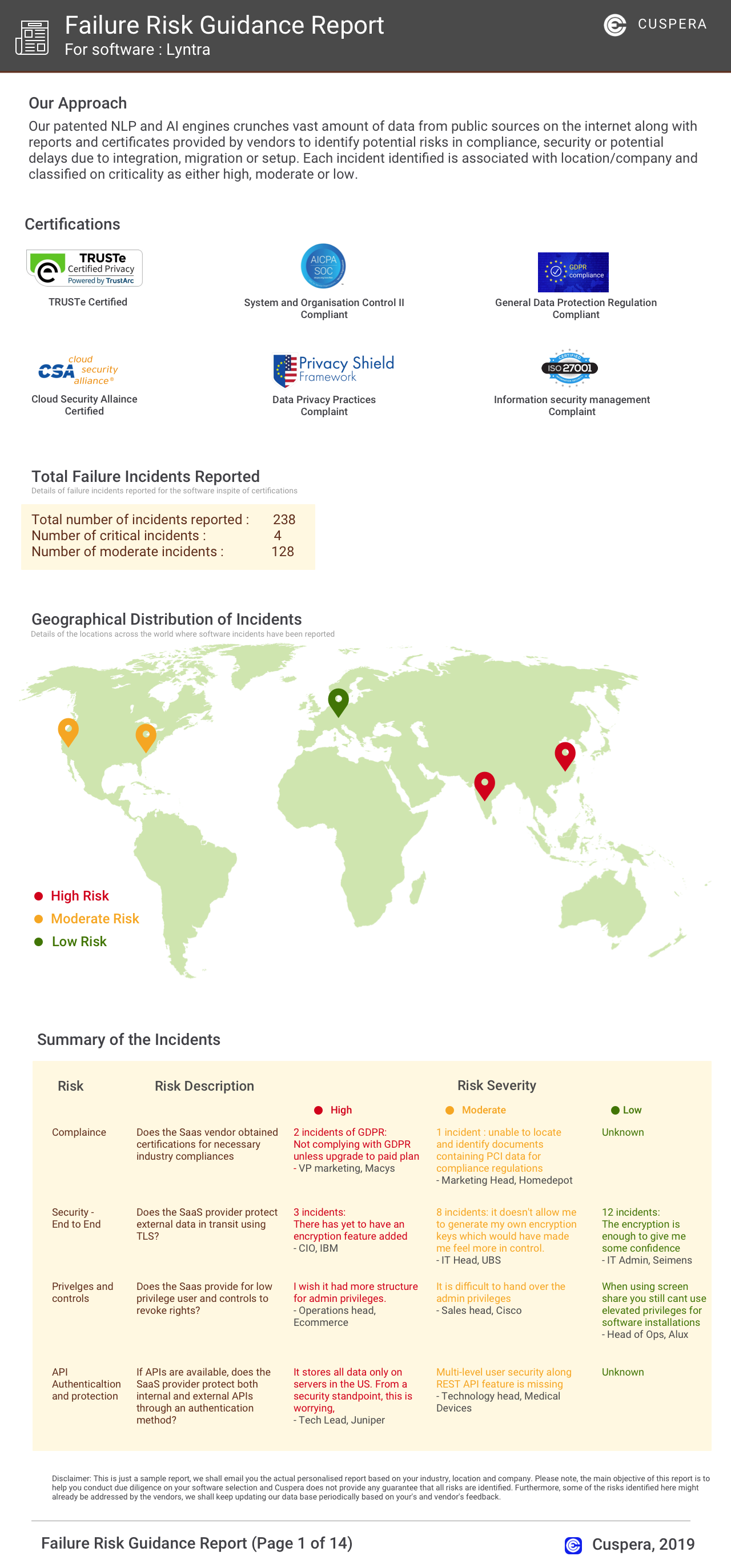
Software Failure Risk Guidance
?for MessageGears
Overall Risk Meter
Top Failure Risks for MessageGears
MessageGears, LLC News
As AI Moves Into the Data Warehouse, MessageGears Launches Reimagined ...
MessageGears has launched a reimagined journey builder that operates directly within an organization's data warehouse. This new orchestration engine allows B2C teams to design intelligent, multi-step customer journeys using AI-driven insights. The platform integrates personalization, segmentation, and cross-channel deployment, enabling real-time data access and cost control.
MessageGears Expands Its Integration Ecosystem With Five New Data ...
MessageGears has expanded its integration ecosystem by adding five new data sources and destinations, including Microsoft Azure, Bynder, SingleStore, TikTok, and Google Drive. These integrations enhance the platform's composable architecture, allowing marketers to activate data across various channels without duplication. The new connections support seamless data integration and audience activation, emphasizing flexibility and efficiency in marketing operations.
MessageGears Adds AI Self-Documenting Layer to Simplify Enterprise ...
MessageGears has launched an AI-powered self-documenting feature for its marketing platform. This new capability generates plain-language summaries of marketing assets, such as audience segments and workflows, reducing reliance on technical teams. The feature includes structured outputs like TL;DR summaries and logic breakdowns, enhancing operational transparency and compliance. This aligns with a broader MarTech trend towards AI-driven documentation and governance.
MessageGears Adds AI Summarization of Marketing Assets
MessageGears has introduced AI-driven summarization capabilities for marketing assets, enhancing data activation and engagement for users. This new feature aims to streamline the process of managing and utilizing marketing content.
MessageGears, LLC Profile
HQ Location
191 Peachtree St NE Suite 900 Atlanta, GA 30303
Employees
11-50
Social


Financials
SERIES B