

Ease Overview
Ease is a benefits administration system designed for modern brokers. It simplifies the enrollment process from start to finish.
Use Cases
Customers recommend Onboarding, Helpdesk Management, Engaging And Following Up, as the business use cases that they have been most satisfied with while using Ease.
Business Priorities
Acquire Customers and Enhance Customer Relationships are the most popular business priorities that customers and associates have achieved using Ease.
Ease Use-Cases and Business Priorities: Customer Satisfaction Data
Ease's features include Personalization, Recording, Alerts: Popups & Notifications, etc. and Ease support capabilities include Chat Support, Email Support, Phone Support, etc. also Ease analytics capabilities include Custom Reports, and Analytics.
Reviews
"...The ability to E-Sign documents, truly forgoing paper!..." Peer review by Cody H., HR Specialist, Manufacturing
Peer review evidence (same sources as the product rating summary)
"...We are able to help clients onboard new employees more effectively and efficiently...." Peer review by Dierdre K, President
"...Implementing a new employer on the site was easy and if I have any questions the EaseCentral Support Desk was just a quick phone call and the reps...." Peer review by Consultant
"...Join the 60,000+ SMBs using Ease today to cut down enrollment time and increase employee engagement in their benefits and HR programs...." Peer review from Ease
Ease, Sign In App, Legalesign, MindTickle, Gusto, etc., all belong to a category of solutions that help Employee Experience Management. Each of them excels in different abilities. Therefore, determining the best platform for your business will depend on your specific needs and requirements.
Popular Business Setting
for Ease
Top Industries
- Insurance
- Human Resources
- Hospital & Health Care
Popular in
- Small Business
- Mid Market
- Enterprise
Ease is popular in Insurance, Human Resources, and Hospital & Health Care and is widely used by Small Business, Mid Market, and Enterprise.
Ease Customer wins, Customer success stories, Case studies
What solutions does Ease provide for Onboarding?
How does Ease address your Helpdesk Management Challenges?
Why is Ease the best choice for Engaging And Following Up?
What solutions does Ease provide for Proposal & Quote Management?
Frequently Asked Questions (FAQ)
What buyers ask before choosing Ease
Integrations What CRM integrations are available with Ease for managing employee benefits?
Ease offers several CRM integrations to enhance the management of employee benefits, streamlining processes for brokers and employers alike. Notably, Ease integrates with popular platforms such as Salesforce and HubSpot, allowing users to synchronize client data, track interactions, and manage leads more effectively. These integrations facilitate seamless communication between HR and sales teams, ensuring that employee benefits information is readily accessible and up-to-date. By leveraging these CRM integrations, businesses can improve their operational efficiency, enhance client relationships, and provide better service to employees, ultimately leading to a more effective benefits management experience. For those looking to maximize their benefits solution, exploring these integrations can significantly simplify workflows and improve compliance with HR regulations.
Integrations How does Ease connect with Salesforce for benefits administration?
Ease connects with Salesforce to streamline benefits administration by integrating key functionalities that enhance the user experience for brokers and employers. This integration allows for seamless data transfer between the two platforms, enabling brokers to manage employee benefits more efficiently. Users can synchronize employee information, track enrollment statuses, and automate workflows directly within Salesforce, reducing manual data entry and minimizing errors. Additionally, this connection facilitates better reporting and analytics, empowering businesses to make informed decisions regarding their benefits offerings. By leveraging Ease's capabilities alongside Salesforce, organizations can improve their overall HR processes, ensuring that employee benefits management is both effective and user-friendly.
Integrations What are the setup steps for integrating Ease with HubSpot?
To integrate Ease with HubSpot, start by logging into your HubSpot account and navigating to the integrations section. Search for Ease in the marketplace and select it to begin the installation process. Follow the prompts to authorize the connection, ensuring you grant the necessary permissions for data synchronization. Once connected, configure the integration settings to determine which data points you want to sync, such as contact information and benefits details. After setting your preferences, test the integration to confirm that data flows correctly between Ease and HubSpot. Finally, monitor the integration regularly to ensure it operates smoothly and make adjustments as needed. This integration enhances your ability to manage client relationships and streamline benefits administration effectively.
Integrations Can Ease integrate with Marketo for marketing automation purposes?
Yes, Ease can integrate with Marketo for marketing automation purposes, allowing businesses to streamline their marketing efforts alongside benefits administration. This integration enables brokers and employers to synchronize their marketing campaigns with employee benefits data, enhancing targeted outreach and engagement. By leveraging Ease's capabilities, users can automate workflows, track leads, and manage customer relationships more effectively. This synergy not only improves efficiency but also helps in delivering personalized experiences to clients. To set up the integration, users typically need to access their Ease account settings, navigate to the integrations section, and follow the prompts to connect with Marketo, ensuring that both platforms work seamlessly together to maximize marketing impact.
Integrations What is the data flow between Ease and integrated payroll software providers?
The data flow between Ease and integrated payroll software providers is facilitated through a secure API connection that ensures seamless synchronization of demographic and deduction information. When changes are made in either Ease or the payroll software, these updates are automatically reflected in the other system, significantly reducing the risk of errors and discrepancies. This integration allows for real-time data updates, which streamlines the payroll process and enhances overall efficiency. As a result, HR teams can save valuable time that can be redirected towards more strategic initiatives, ultimately improving the management of employee benefits and payroll administration. This automated data flow is crucial for businesses looking to optimize their HR operations and maintain accurate records.
Integrations Are there any limitations to the API access for Ease integrations?
Ease provides robust API access for its integrations, allowing partners to connect seamlessly with various platforms and services. However, there are some limitations to consider. For instance, while the API facilitates data exchange and enhances functionality, it may have restrictions on the types of data that can be accessed or modified, depending on the specific integration. Additionally, rate limits may apply to ensure optimal performance and prevent abuse. It's essential for developers to review the API documentation thoroughly to understand these constraints and plan their integrations accordingly. By being aware of these limitations, partners can effectively leverage Ease's capabilities while ensuring compliance with the platform's guidelines.
Features What does the client workflow automation feature do?
The client workflow automation feature streamlines and optimizes business processes by automating repetitive tasks and workflows, allowing teams to focus on higher-value activities. This feature enhances efficiency by reducing manual input, minimizing errors, and ensuring consistency across various operations. By integrating with existing systems, such as payroll and compliance management tools, client workflow automation facilitates seamless data flow and communication between departments. This not only accelerates project timelines but also improves overall productivity and client satisfaction. Businesses can leverage this feature to create customized workflows that align with their specific needs, ultimately driving better outcomes and fostering a more agile work environment.
Features How do I configure the cloud-based business analytics feature?
To configure the cloud-based business analytics feature in Ease, start by logging into your Ease account and navigating to the analytics dashboard. From there, select the "Settings" option to customize your data sources and reporting preferences. You can integrate various data sources such as Microsoft Power Platform or AWS for comprehensive insights. Next, set up your key performance indicators (KPIs) by defining the metrics that matter most to your business. Utilize the drag-and-drop interface to create visualizations that best represent your data. Finally, save your configurations and schedule regular reports to be generated automatically. For additional support, refer to the Ease Help Center or access Ease Academy for detailed tutorials and resources.
Features What functionalities are included in the workflow design and management feature?
The workflow design and management feature typically includes functionalities that allow businesses to create, visualize, and optimize their workflows for improved efficiency. Key functionalities often encompass drag-and-drop workflow creation tools, which enable users to easily design processes without extensive technical knowledge. Additionally, these features may offer task assignment capabilities, automated notifications, and real-time tracking of workflow progress, ensuring that team members stay informed and accountable. Integration with other tools, such as CRM systems like Salesforce or project management platforms like Microsoft 365, enhances collaboration and data sharing. Furthermore, analytics and reporting tools are often included to help organizations assess workflow performance and identify areas for improvement, ultimately driving productivity and streamlining operations.
Features How do I use the automated workflow feature for project management?
To use the automated workflow feature for project management effectively, start by defining your project goals and the specific tasks involved. Next, utilize Ease's workflow management software to create a visual representation of your project, outlining each step and assigning responsibilities. You can then set up automation rules within the software to trigger actions based on specific conditions, such as sending notifications when tasks are completed or deadlines are approaching. Additionally, integrate with tools like Microsoft 365 or other project management platforms to streamline communication and data sharing. Regularly review and adjust your workflows based on team feedback and project performance to ensure continuous improvement and efficiency in your project management processes.
Features What does the cloud-based compliance management feature offer?
The cloud-based compliance management feature offered by Ease provides businesses with a streamlined solution to navigate complex regulatory requirements, such as HIPAA, ERISA, and the ACA. This feature centralizes compliance documentation and resources in a secure online Document Library, making it easy for HR teams to access essential materials like Summary Plan Descriptions and Summary of Benefits Coverage. By automating compliance processes, Ease helps organizations avoid costly penalties and fines from regulatory bodies like the IRS and the Equal Employment Opportunity Commission. Additionally, the cloud-based nature of this feature ensures that compliance information is always up-to-date and accessible from anywhere, allowing businesses to focus on their core operations while maintaining adherence to evolving laws and regulations.
Features How can I set up the collaborative workflow functionality?
To set up the collaborative workflow functionality in your benefits solution, start by accessing the workflow management settings within the Ease platform. First, create a new workflow by selecting the "Create Workflow" option, then define the specific tasks and assign team members responsible for each task. Utilize the drag-and-drop interface to arrange tasks in a logical sequence, ensuring that dependencies are clearly established. Next, integrate communication tools such as Slack or Microsoft Teams to facilitate real-time collaboration among team members. Finally, set up notifications and reminders to keep everyone informed of deadlines and updates. Once configured, test the workflow with a small group to gather feedback and make necessary adjustments before rolling it out organization-wide. This approach enhances teamwork and streamlines processes, ultimately improving productivity.
ROI & pricing What measurable business value can I expect from using Ease benefits administration software?
Using Ease benefits administration software can deliver significant measurable business value by streamlining the enrollment process and enhancing employee engagement with benefits. With its broker-powered platform, Ease simplifies complex benefits administration, allowing small to medium-sized businesses to efficiently manage employee benefits for groups of 2-250. This leads to reduced administrative burdens, faster setup times, and improved compliance with regulations like ACA and ERISA, which can help avoid costly penalties. Additionally, the software's direct connections with premium carriers enable businesses to offer competitive benefits packages, aiding in employee attraction and retention. By leveraging Ease, companies can expect increased operational efficiency, better employee satisfaction, and ultimately, a stronger bottom line as they effectively manage their benefits offerings.
ROI & pricing How does Ease software impact ROI and cost savings for my organization?
Ease software significantly impacts ROI and cost savings for organizations by streamlining benefits administration and reducing administrative burdens. By automating processes such as employee enrollment and compliance tracking, Ease minimizes the time and resources spent on manual tasks, allowing HR teams to focus on strategic initiatives. The platform's integration with top General Agents (GAs), carriers, and third-party administrators (TPAs) enhances efficiency and accuracy, which can lead to lower operational costs. Additionally, Ease helps employers maintain ACA and ERISA compliance, avoiding potential IRS penalties that could otherwise incur significant expenses. Users have reported substantial savings after transitioning to Ease, highlighting its effectiveness in optimizing employee benefits management and ultimately contributing to a healthier bottom line.
ROI & pricing What are the different pricing plans available for Ease, and what do they include?
Ease offers three distinct subscription levels tailored for insurance brokers to effectively manage their clients' benefits administration needs. The basic plan provides essential features to replace paper forms with a streamlined digital solution, making it ideal for businesses just starting with online enrollment. The growth plan includes a robust online enrollment system and additional benefits administration tools, catering to businesses looking to expand their capabilities. Finally, the advanced plan is designed for scalability, offering self-service and fully managed carrier connections through EaseConnect, which enhances integration with various carriers and third-party administrators. Each plan is structured to support brokers and employers in simplifying their HR processes while ensuring compliance and efficiency in benefits management.
ROI & pricing What is the total cost of ownership for implementing Ease benefits administration software?
The total cost of ownership for implementing Ease benefits administration software varies based on the subscription level chosen, which is tailored for insurance brokers serving clients with 2-250 employees. Unlike many platforms that charge per employee per month (PEPM), Ease's pricing is based on a set number of employees, making it potentially more cost-effective for businesses. Additional costs may include training for brokers and employers, which is supported by Ease's world-class success teams. Furthermore, businesses should consider the potential savings in time and resources, as Ease can significantly reduce administrative burdens, such as paperwork during open enrollment. Overall, while the initial investment is important, the long-term savings and efficiencies gained through Ease can provide substantial value to your organization.
ROI & pricing How quickly can I expect to see value from Ease after implementation?
After implementing Ease, you can expect to see value almost immediately, often within just a few days. The platform is designed for lightning-fast setup, allowing you to quickly access digitally-mapped enrollment forms, rates, and eligibility criteria tailored for your clients. Users frequently report a significant reduction in enrollment stress and paperwork, enabling employees to manage their benefits more efficiently. Additionally, with 24/7 access to the Ease Help Center, you can resolve issues and optimize your use of the platform at any time. This rapid deployment and ongoing support help ensure that your business starts reaping the benefits of streamlined benefits administration and HR solutions right away, making it a valuable investment for small businesses looking to enhance their operations.
ROI & pricing What are the potential revenue impacts of using Ease for benefits management?
Using Ease for benefits management can significantly impact revenue by streamlining the enrollment process and reducing administrative overhead, which allows businesses to focus on growth rather than paperwork. The platform's lightning-fast setup and custom quoting options enable brokers to serve clients more efficiently, potentially increasing client retention and attracting new business. Additionally, Ease helps ensure compliance with ACA and ERISA regulations, minimizing the risk of costly penalties that could affect revenue. By providing employees with a user-friendly tool for managing their benefits, companies can enhance employee satisfaction and retention, leading to a more stable workforce and reduced turnover costs. Overall, the efficiencies gained through Ease can translate into improved profitability for businesses leveraging its capabilities.
Capabilities Can Ease help with ISO 9001 compliance?
Yes, Ease can significantly assist with ISO 9001 compliance by providing a comprehensive compliance management platform designed to streamline the processes necessary for meeting ISO standards. The platform offers tools for documentation, process automation, and workflow management, which are essential for maintaining quality management systems. With Ease, businesses can easily track compliance requirements, manage audits, and ensure that all documentation is up-to-date and accessible. Additionally, the platform's reporting capabilities allow organizations to generate insights and monitor compliance status effectively. By leveraging Ease for ISO 9001 compliance, companies can enhance their operational efficiency, reduce risks, and improve overall quality management, ultimately leading to better customer satisfaction and business performance.
Capabilities Does Ease support advanced data visualization capabilities?
Yes, Ease supports advanced data visualization capabilities, allowing businesses to create dynamic and interactive dashboards that provide real-time insights into their data. With its robust data analytics features, Ease enables users to manipulate and visualize complex datasets effectively, enhancing decision-making processes. The platform's ability to integrate with various data sources ensures that users can pull in relevant information seamlessly, facilitating comprehensive data analysis. Additionally, Ease's visualization tools can help in storytelling with data, making it easier for stakeholders to understand trends and patterns. This capability not only improves data comprehension but also drives strategic business initiatives by presenting data in a visually appealing and accessible manner.
Capabilities Can Ease automate IT processes for better efficiency?
Yes, Ease can automate IT processes to enhance efficiency significantly. By leveraging its workflow automation capabilities, Ease allows businesses to streamline repetitive tasks, reduce manual errors, and improve overall productivity. The platform integrates seamlessly with various tools and systems, enabling automatic data transfers and process management without the need for constant human intervention. This not only saves time but also allows IT teams to focus on more strategic initiatives rather than mundane tasks. Additionally, Ease's comprehensive dashboard provides real-time insights into process performance, helping organizations identify bottlenecks and optimize workflows further. Overall, automating IT processes with Ease leads to improved operational efficiency and better resource allocation.
Capabilities Does Ease provide compliance case management features?
Yes, Ease does provide compliance case management features designed to help small and medium-sized businesses (SMBs) navigate the complexities of compliance with various regulations such as HIPAA, ERISA, and the ACA. The compliance case management capabilities within Ease streamline the process of managing compliance-related documentation and tasks, ensuring that HR teams can efficiently track and address compliance issues. This functionality not only helps businesses avoid penalties and fines from regulatory bodies but also simplifies the overall compliance process, allowing organizations to focus on their core operations. By utilizing Ease's compliance case management features, businesses can maintain better oversight of their compliance obligations and improve their overall risk management strategies.
Capabilities Can Ease assist with regulatory document management?
Yes, Ease can significantly assist with regulatory document management by providing a secure online Document Library and Plan Library designed to help employers comply with regulations such as ERISA and the ACA. This platform houses essential ERISA-required materials, including Summary Plan Descriptions (SPDs) and Summary of Benefits Coverage (SBC), making them easily accessible to employees in an organized manner. By utilizing Ease's document management features, employers can streamline their compliance processes, reduce the risk of penalties and fines, and simplify human resources management. The intuitive design allows HR teams to guide employees on how to find and fill out necessary documents, ensuring that all regulatory requirements are met efficiently and effectively.
Capabilities Does Ease ensure compliance with HIPAA and SOC 2 Type II?
Yes, Ease ensures compliance with HIPAA and SOC 2 Type II, making it a reliable choice for businesses that prioritize data security and regulatory adherence. The platform has earned a HITRUST CSF® Certification, which demonstrates its commitment to managing risk and protecting sensitive information. Ease implements robust security measures, including encryption and two-factor authentication, to safeguard data against breaches. Additionally, it provides full-service compliance solutions for small and medium-sized businesses (SMBs), helping them navigate the complexities of various regulations, including HIPAA, ERISA, and the ACA. By utilizing Ease, organizations can focus on their core operations while confidently meeting compliance requirements and avoiding potential penalties.
Use cases How can SDRs use Ease for managing their daily workflow and case management?
Sales Development Representatives (SDRs) can effectively use Ease for managing their daily workflow and case management by leveraging its comprehensive workflow management features. To start, SDRs can create structured workflows that automate repetitive tasks such as lead follow-ups and appointment scheduling, ensuring they stay organized and focused on high-priority activities. Additionally, Ease allows for the integration of case management tools, enabling SDRs to track interactions with prospects and manage their pipeline efficiently. By utilizing reporting and analytics features, SDRs can gain insights into their performance and adjust strategies accordingly. Overall, Ease streamlines daily operations, enhances productivity, and supports effective case management, allowing SDRs to maximize their outreach efforts and improve conversion rates.
Use cases What are the best use cases for marketers utilizing Ease's data visualization tools?
Marketers can leverage Ease's data visualization tools in several impactful ways to enhance their strategies and decision-making processes. One of the best use cases is tracking campaign performance through visual dashboards that provide real-time insights into key performance indicators (KPIs), allowing marketers to quickly assess the effectiveness of their efforts. Additionally, these tools can be used for customer segmentation analysis, enabling marketers to visualize demographic data and tailor campaigns to specific audiences. Another valuable application is in A/B testing results, where visualizations can help identify trends and preferences among different customer groups. Finally, marketers can utilize Ease's tools for data storytelling, transforming complex data sets into compelling narratives that resonate with stakeholders and drive informed decisions. Overall, these capabilities empower marketers to make data-driven decisions that enhance their marketing effectiveness.
Use cases In what scenarios should RevOps teams implement Ease for workflow automation?
RevOps teams should implement Ease for workflow automation in scenarios where they need to streamline and optimize cross-departmental processes, enhance collaboration, and improve operational efficiency. For instance, if a team is struggling with manual data entry, Ease can automate repetitive tasks, reducing errors and freeing up time for strategic initiatives. Additionally, when managing compliance requirements, such as SOX compliance tracking, Ease provides tools to ensure adherence to regulations while simplifying reporting. Furthermore, for teams utilizing platforms like Salesforce or Microsoft 365, Ease can integrate seamlessly, allowing for a cohesive workflow across various tools. By leveraging Ease, RevOps teams can achieve better visibility into their operations, leading to informed decision-making and improved overall performance.
Use cases How can sales leaders leverage Ease to improve their reporting and data analysis processes?
Sales leaders can leverage Ease to enhance their reporting and data analysis processes by utilizing its robust data visualization tools and customizable reporting features. By integrating Ease with existing platforms like Salesforce or HubSpot, sales teams can automate data collection and streamline workflows, ensuring that they have real-time access to critical metrics. This allows for more informed decision-making and the ability to quickly identify trends and performance gaps. Additionally, Ease's embedded business intelligence capabilities enable sales leaders to create tailored dashboards that visualize key performance indicators (KPIs), making it easier to communicate insights across the organization. By adopting Ease, sales leaders can significantly reduce the time spent on manual reporting, allowing them to focus on strategic initiatives that drive revenue growth.
Use cases What specific workflows can law firms automate using Ease's workflow management features?
Law firms can automate a variety of workflows using Ease's workflow management features to enhance efficiency and reduce manual tasks. Specific workflows that can be automated include client intake processes, document management, case tracking, billing and invoicing, and compliance management. For instance, the client intake process can be streamlined by automating the collection of client information and documentation, while case tracking can be enhanced through automated reminders and updates on case milestones. Additionally, billing workflows can be simplified by automating invoice generation and payment reminders, ensuring timely payments. By leveraging these automation capabilities, law firms can improve productivity, minimize errors, and focus more on providing quality legal services to their clients.
Use cases How can healthcare teams adopt Ease to streamline compliance and quality management workflows?
Healthcare teams can adopt Ease to streamline compliance and quality management workflows by leveraging its comprehensive benefits administration and compliance tracking features. To get started, teams should first integrate Ease with their existing systems, such as Salesforce or Microsoft 365, to ensure seamless data flow and communication. Next, they can utilize Ease's automated workflow capabilities to manage compliance with regulations like HIPAA, ERISA, and the ACA, which helps in tracking variable-hour employees and generating necessary IRS forms. Additionally, teams can take advantage of Ease's security features, including two-factor authentication, to protect sensitive data. By implementing these steps, healthcare teams can save time, reduce the risk of penalties, and enhance overall operational efficiency, allowing them to focus more on patient care and quality management.
Alternatives What are the key differences between Ease and Pega?
Ease and Pega serve different purposes within the realm of business software, particularly in benefits administration and process automation, respectively. Ease is specifically designed for brokers and small to medium-sized businesses, focusing on simplifying employee benefits administration with features like custom quoting and seamless integration with various carriers. In contrast, Pega is a robust platform that emphasizes business process management and customer relationship management, offering advanced capabilities for automating complex workflows across various industries. While Ease excels in user-friendly benefits management, Pega provides extensive tools for large-scale process automation and customer engagement. Businesses should consider their specific needs—whether they prioritize streamlined benefits administration or comprehensive process automation—when choosing between these two platforms.
Alternatives How does Ease compare to Mulesoft in terms of functionality?
Ease and Mulesoft serve different purposes within the realm of integration and workflow management. Ease focuses primarily on providing a user-friendly platform for data integration and workflow automation, making it suitable for small to medium-sized businesses looking for straightforward solutions. It emphasizes ease of use and quick setup, which can be beneficial for teams without extensive technical expertise. In contrast, Mulesoft is a more robust integration platform designed for enterprise-level applications, offering extensive capabilities for API management and complex integrations across various systems. While Mulesoft provides powerful tools for large-scale data integration and connectivity, Ease may be more appealing for organizations seeking simplicity and efficiency without the need for advanced features. Ultimately, the choice between the two depends on the specific needs and scale of the business.
Alternatives What are the advantages of using Ease over Informatica?
Ease offers several advantages over Informatica, particularly in the realm of benefits administration and HR solutions. While Informatica is primarily focused on data integration and management, Ease specializes in streamlining employee benefits processes, making it a more tailored solution for organizations looking to simplify enrollment and benefits management. Users have reported significant time savings, such as up to 20 hours during open enrollment, thanks to Ease's online submission capabilities. Additionally, Ease's user-friendly interface and strong understanding of employee benefits set it apart, providing brokers and employers with better support and custom quoting options. This focus on the specific needs of benefits administration makes Ease a compelling choice for businesses prioritizing efficiency and ease of use in their HR processes.
Alternatives Which is better for data integration: Ease or Boomi?
When comparing Ease and Boomi for data integration, both platforms offer unique strengths tailored to different business needs. Ease focuses on providing a user-friendly interface with robust data visualization and workflow management capabilities, making it suitable for small to medium-sized businesses looking for straightforward integration solutions. On the other hand, Boomi is known for its extensive cloud-based integration capabilities and scalability, which cater to larger enterprises requiring complex integrations across diverse systems. Boomi's strength lies in its ability to handle high volumes of data and its comprehensive library of pre-built connectors. Ultimately, the choice between Ease and Boomi depends on your organization's size, complexity of integration needs, and budget considerations.
Alternatives What are the unique strengths of Ease compared to Celonis?
Ease and Celonis both offer valuable solutions for business process management, but they cater to different needs. Ease excels in providing a user-friendly platform for workflow automation and data integration, making it particularly suitable for small to medium-sized businesses looking for straightforward solutions to streamline operations. Its strengths lie in its ease of use, customizable workflows, and strong customer support. In contrast, Celonis specializes in process mining and analytics, offering deep insights into operational efficiency and bottlenecks, which is more beneficial for larger enterprises focused on data-driven decision-making. While Ease prioritizes accessibility and simplicity, Celonis delivers advanced analytical capabilities for complex process optimization, making the choice between them dependent on the specific requirements of the business.
Alternatives What are the best alternatives to Ease for workflow management?
When considering alternatives to Ease for workflow management, several notable options stand out. One prominent choice is Smartsheet, which offers robust features for project management and collaboration, making it suitable for teams looking to streamline their workflows. Another strong contender is Monday.com, known for its user-friendly interface and customizable workflows that cater to various business needs. Additionally, Asana provides excellent task management capabilities, allowing teams to track progress and deadlines effectively. For those seeking open-source solutions, Apache Airflow is a powerful option that enables complex workflow automation. Each of these alternatives presents unique strengths, so the best choice will depend on your specific requirements, such as team size, project complexity, and budget considerations.
Ease Competitors


Ease Features
- Low
- Medium
- High
| FEATURE | RATINGS AND REVIEWS |
|---|---|
| Custom Reports | Read Reviews (143) |
| Analytics | Read Reviews (3) |
| CAPABILITIES | RATINGS AND REVIEWS |
|---|---|
| Custom Reports | Read Reviews (143) |
| Analytics | Read Reviews (3) |
Ease Integrations
Ease integrates with a wide range of software applications through its robust data import and export capabilities.
Few API Integrations for Ease


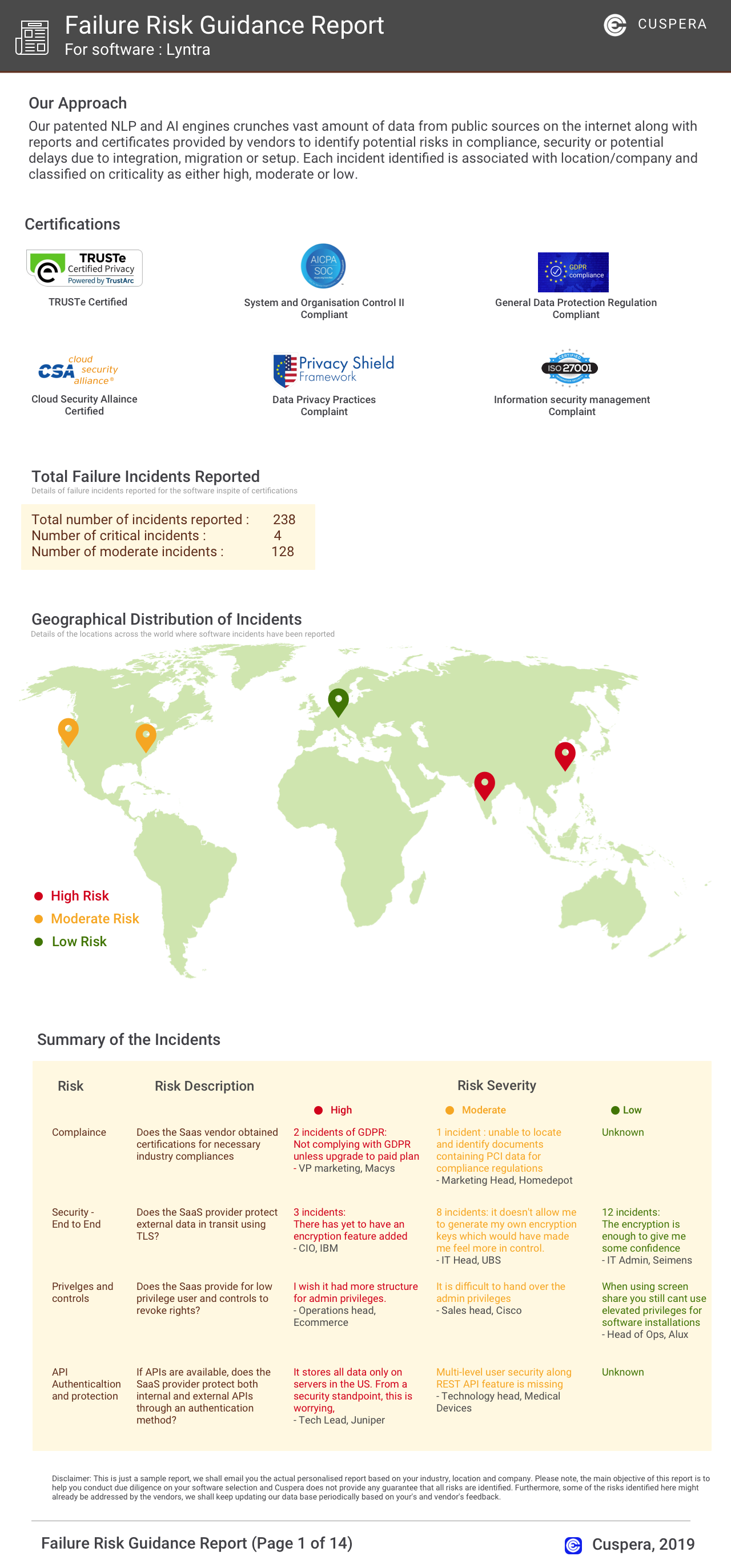
Software Failure Risk Guidance
?for Ease
Overall Risk Meter
Top Failure Risks for Ease
Ease Central, Inc. News
Ease.io Appoints Adam Wegel as CEO to Lead Next Phase of AI-Powered ...
Ease.io Appoints Adam Wegel as CEO to Lead Next Phase of AI-Powered ...
Willis Lease Finance Corporation Announces Timing ofFirst
Willis Lease Finance Corporation will announce its first quarter 2025 financial results on May 6, 2025, and hold a conference call to discuss the results.
Ease Central, Inc. Profile
Company Name
Ease Central, Inc.
Company Website
https://www.ease.com/HQ Location
500 Treat Ave, Suite 200 San Francisco, CA 94110
Employees
101-250
Social


Financials
SERIES B